

Home Window Tinting: The Underrated Upgrade That Pays You Back
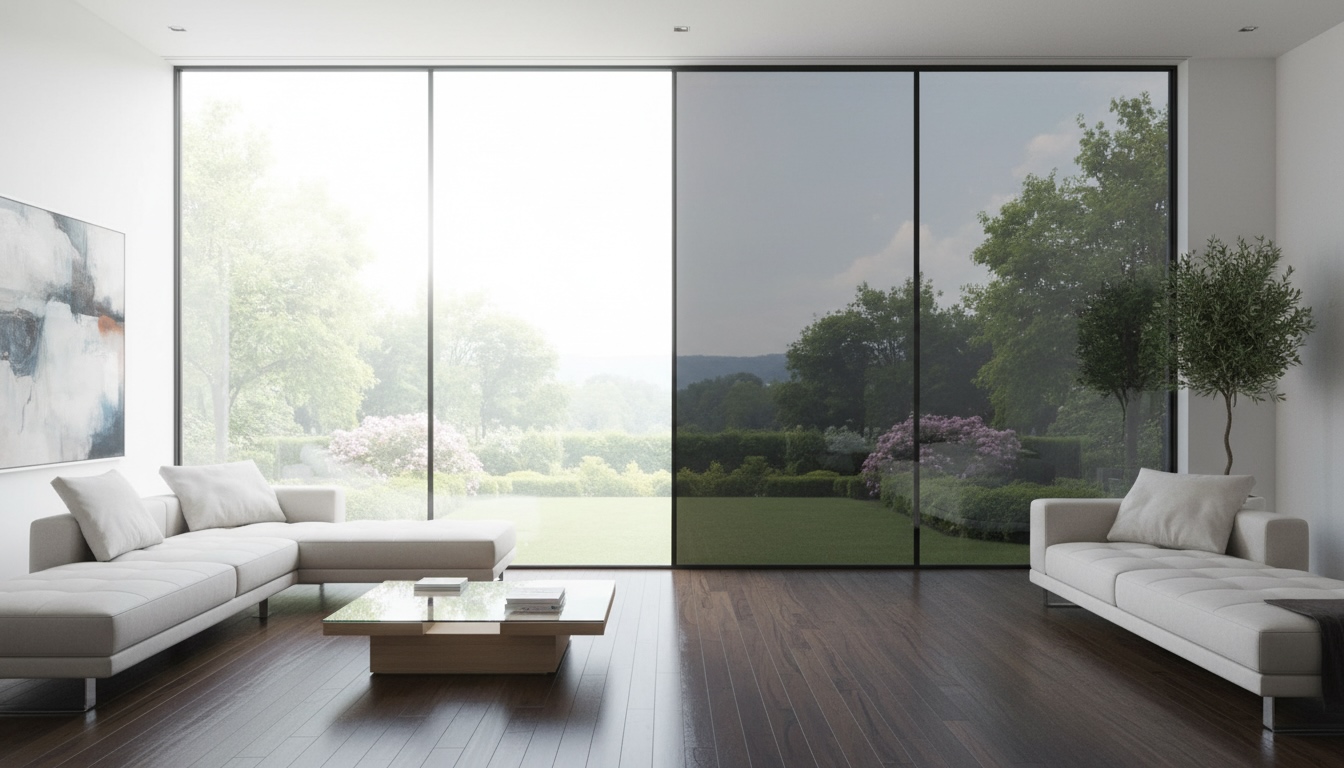
If you’re looking for a home improvement that boosts comfort, cuts energy bills, and adds privacy—without a full remodel—window tinting is worth serious consideration. It’s one of those upgrades you barely notice visually, but feel every day in how your home looks, feels, and performs.
Below are the main benefits of home window tinting, how it works, and what to consider before installing it.
1. Lower Energy Bills and a More Comfortable Home
Reduce Heat Gain in Summer
Standard windows let in a lot of solar heat. Window tint (also called solar control film) reflects and absorbs a portion of that heat before it enters your home.
Benefits:
- Cooler rooms in summer, especially those with large south- or west-facing windows
- Less reliance on air conditioning
- More even temperatures throughout the house (fewer “hot spots” near windows)
Many homeowners report noticeable reductions in cooling costs—often 10–30%, depending on climate, window area, and film type.
Improve Insulation in Winter
Certain high-performance films help reduce heat loss through windows in colder months by improving the insulating value (the “R-value”) of the glass. While it won’t replace double- or triple-pane windows, it can give older windows a boost at a fraction of the cost of replacement.
2. UV Protection for Your Skin and Your Stuff
Sunlight brings harmful ultraviolet (UV) rays that cause:
- Fading of hardwood floors, carpets, rugs, and artwork
- Discoloration of furniture and fabrics
- Long-term skin damage, even indoors
Quality window films can block up to 99% of UV rays while still allowing plenty of natural light. That means:
- Slower fading of interior finishes, saving you money on replacements
- Extra layer of protection for family members who spend a lot of time near sunny windows
- Better preservation of artwork, photos, and heirloom pieces
3. Added Privacy Without Losing Natural Light
Privacy is one of the most popular reasons people install window tint.
Options include:
- Daytime privacy films: Reflective or slightly tinted from the outside, allowing you to see out while making it harder for others to see in during daylight.
- Frosted and decorative films: Ideal for bathrooms, entry sidelights, or street-facing windows, these obscure details but still let in light.
- Neutral films: Provide mild privacy while maintaining a natural glass appearance.
Key benefit: You gain privacy without having to keep blinds or curtains constantly closed, so you still enjoy daylight and views.
4. Reduced Glare for Screens and Workspaces
Glare from direct sunlight makes it hard to:
- Watch TV without closed curtains or blinds
- Work on a computer comfortably
- Read or relax in bright rooms during certain times of day
Tinting helps by:
- Softening harsh light
- Reducing eye strain
- Making living rooms, home offices, and media rooms more usable all day
This is especially valuable in homes with large windows or open-concept layouts where you don’t want to block natural light just to see your screen.
5. Enhanced Safety and Security
Certain types of window film—often called security or safety film—are thicker and designed to hold glass together when broken.
Benefits:
- Helps prevent glass from shattering into sharp pieces during accidents or storms
- Makes it more difficult and time-consuming for intruders to break through a window
- Adds another layer of protection for children and pets near large glass doors or low windows
While it won’t make your windows unbreakable, it can slow down forced entry and reduce the risk of injury from flying glass.
6. Improved Aesthetics and Curb Appeal
Modern window films are far more subtle than the dark, mirror-like tints you might associate with cars.
They can:
- Give your windows a cleaner, more uniform look from the outside
- Reduce visual clutter from blinds and curtains constantly drawn
- Offer designer-style looks (frosted, patterned, or subtly colored films) for a custom appearance
This can be particularly beneficial for:
- Street-facing windows
- Large glass doors and front entries
- Contemporary homes where clean lines and consistent finishes matter
7. Protection for Your Windows Themselves
Window film can help extend the life of your windows by shielding them from some of the stress caused by intense sun exposure and temperature swings. While it’s not a cure-all, it can reduce:
- Thermal stress that contributes to cracks in some glass types
- Wear on window seals (indirectly, by moderating temperature changes)
8. Eco-Friendly Home Improvement
By lowering your cooling and, in some cases, heating demand, window tinting:
- Reduces your home’s overall energy consumption
- Helps lower your carbon footprint
- Lessens strain on local power grids during peak demand times in hot weather
Compared to window replacement, it also involves far less material, manufacturing, and waste, making it a relatively low-impact upgrade.
9. A Cost-Effective Alternative to Window Replacement
Replacing windows is one of the most expensive home upgrades. If your existing windows are structurally sound, tinting can deliver many of the same comfort and energy benefits at a fraction of the cost.
Roughly:
- Professional tinting is usually a small portion of what you’d spend on full window replacement.
- Many homeowners see a return over time through energy savings and extended life of interior furnishings.
While exact payback depends on your location, energy prices, and film type, it’s often one of the more budget-friendly efficiency upgrades.
10. Customization: Films for Different Needs and Rooms
You don’t have to treat every window the same. You can mix and match films by room or exposure:
- Living rooms and family rooms: Glare reduction and UV protection with a neutral look
- Bedrooms: Privacy-focused films or moderate tint for cooler, darker sleep environments
- Bathrooms: Frosted or decorative films for full privacy without sacrificing daylight
- Home offices: Anti-glare films to make screens easier to see
- South- and west-facing windows: Stronger heat-rejecting film for solar control
This flexibility lets you fine-tune the balance of light, privacy, and heat control throughout your home.
Things to Consider Before Tinting
To get the most from home window tinting, keep these points in mind:
Quality matters
- Higher-quality films tend to offer better performance, last longer, and come with stronger warranties.
- Cheap films can discolor, bubble, or peel over time.
Professional vs DIY installation
- DIY kits exist, but achieving a clean, bubble-free finish is challenging, especially on large panes.
- Professional installers can advise you on film selection, ensure proper installation, and protect your warranty.
Glass type and manufacturer warranty
- Certain films are not recommended for specific glass types (like some double-pane or low-E windows) because they can increase the risk of thermal stress and cracking.
- Check your existing window warranty and choose a film that’s compatible and backed by its own warranty.
Local climate and orientation
- In very hot, sunny climates, prioritize high solar heat rejection.
- In mixed or colder climates, look for films that balance heat rejection with insulation.
Aesthetics and HOA rules
- Some neighborhoods or homeowner associations have rules about reflective or dark films.
- Choose a film that provides benefits while maintaining an acceptable exterior appearance where regulations apply.
Is Home Window Tinting Right for You?
You’re likely to benefit the most from window tinting if:
- Your home gets strong direct sunlight that makes rooms uncomfortably hot
- You struggle with glare on TVs or computer screens
- You want more privacy without losing natural light
- You want to protect floors, furniture, and artwork from fading
- You’re looking for an energy-efficiency upgrade that doesn’t require major construction
When done with the right film and proper installation, home window tinting is a subtle improvement that can deliver daily comfort, lower bills, and long-term protection—quietly working in the background every time the sun hits your windows.