

Storefront & Office Window Film in Arizona: Cut Glare, Protect Inventory, and Improve Comfort
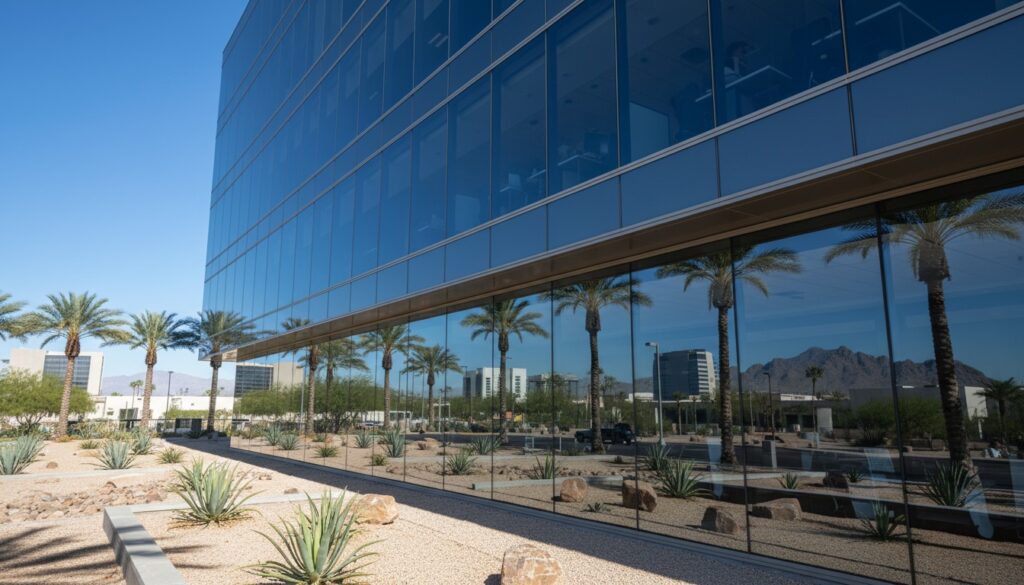
If you run a retail shop, professional office, medical practice, or any customer-facing space with big windows, you already know the pattern: the glass looks premium, and then summer arrives. Suddenly you are managing hot zones near the front, staff squinting at monitors, customers shifting away from the brightest tables, and inventory that seems to age faster near the window line.
In Arizona, that is not a small inconvenience. Long sun hours, intense UV, and west- or south-facing exposures can turn glass into a year-round source of heat, glare, and fade risk.
Commercial window film (also called solar control window film) is one of the most practical upgrades you can make because it targets the problems you feel every day—without a disruptive remodel and without turning your building into a cave.
Who This Is For
Window film is not only for “dark tint” aesthetics. Many Arizona businesses use it specifically for performance and comfort, including:
- Retail and showrooms — clothing, footwear, home goods, electronics displays, and anything with color-sensitive packaging
- Restaurants and cafés — patio-adjacent glass, street-facing dining areas, and POS screens that wash out in direct sun
- Medical and dental offices — reception areas, treatment rooms with exterior glass, and staff workstations that need readable monitors
- Salons and spas — client comfort during long appointments and privacy from sidewalks without blocking natural light
- Professional offices — conference rooms with glass walls plus perimeter offices with floor-to-ceiling windows
If your business depends on people staying comfortable near the glass, film is usually worth evaluating before you spend on blinds you will fight forever—or before you assume replacement windows are the only fix.
The Problems Commercial Glass Creates (That Owners Stop “Noticing”)
Most teams adapt. They rotate seating, crank the HVAC, tilt screens, or pull shades during peak hours. That works until it does not—and it quietly costs you in ways that do not always show up on a single line item.
Heat and uneven comfort
Solar energy enters through glass as heat. Even efficient HVAC systems end up working harder when the perimeter of a space is constantly reloading heat from the sun. Customers notice drafts and hot spots even if they cannot explain why the space feels “off.”
Glare that hurts productivity and sales
Glare is not only annoying—it is expensive. It slows transactions, increases errors at the register, makes consultations harder, and makes screens unreadable without awkward repositioning.
Fading and sun damage
UV is a major contributor to fading for fabrics, flooring near windows, signage, merchandise, and artwork. Visible light and heat matter too, which is why “UV-only” thinking can miss the full picture. The right commercial film is selected as a system: what you block, what you keep, and how it looks from inside and outside.
Privacy and brand presentation
Sometimes the issue is not darkness—it is exposure. Street-level visibility into treatment areas, back-office monitors, or high-theft inventory zones can be managed with films that improve daytime privacy while still feeling open.
What Window Film Actually Does (In Plain Terms)
Modern commercial films are engineered coatings applied to the interior side of existing glass (and in some cases combined approaches depending on the building and film system). Performance varies by product line, but the business outcome you are buying usually falls into a few categories:
- Solar heat reduction — less heat enters the space, which can improve comfort and reduce HVAC load during peak cooling periods.
- Glare reduction — more balanced light levels so people, products, and screens look natural without harsh “whiteout” zones.
- UV protection — meaningful UV rejection to help protect interiors and merchandise as part of a broader fade-control strategy.
- A controlled look — options range from nearly invisible spectrally selective films to more noticeable tints, depending on goals and glass constraints.
The best choice is rarely “the darkest film.” It is the film that matches your glass type, your brand’s desired appearance, your hours of operation, and the direction your biggest problem windows face.
Pair Comfort and Display Protection With Security When It Makes Sense
Solar control film and security-focused films solve different primary problems, but many commercial properties benefit from thinking about them together—especially for street-level entryways, display windows, and high-risk storefronts.
If your risk profile includes vandalism, smash-and-grab concerns, or glass safety, start with the security conversation and build the solar performance plan around it. Our guide on anti-graffiti and security window film ROI explains how protective films can reduce downtime and replacement costs in real-world scenarios.
The Arizona Angle: Why This Market Is Different
Phoenix-area businesses do not get a short “sun season.” Extended heat and high UV days mean:
- West- and south-facing glass often becomes the top priority because it receives intense afternoon sun.
- Merchandise fade can accelerate when displays sit in direct light day after day.
- Staff comfort becomes a retention and focus issue—especially for roles tied to screens or customer-facing stations near windows.
That is why a spec sheet alone is not enough. A strong commercial installation plan considers exposure direction, obstructions, interior reflectivity, and how the building reads from the curb.
A Practical Checklist Before You Buy
Use this as a quick decision framework—not a substitute for a professional site assessment, but a way to make your estimate productive on day one.
- Define the top problem in one sentence — heat, glare, fade, privacy, safety, or a ranked combination.
- Identify the worst hours — mid-morning washout glare versus late-afternoon heat hammering the sales floor.
- List your highest-value zones — registers, consultation desks, display tables, waiting areas, conference rooms.
- Know your glass constraints — large IGUs (insulated glass units), low-e coatings, and some specialty glass can limit which films are eligible. A qualified installer should verify compatibility before recommending a product.
- Ask about warranty and performance documentation — reputable film lines come with manufacturer warranty support when installed to program standards.
What to Expect From a Professional Commercial Project
Every building differs, but a professional workflow typically includes:
- Measurements and a walkthrough focused on problem windows and operational needs
- Product matching based on glass verification and performance goals
- Clean installation with minimal disruption, often completed faster than owners expect depending on access and scope
- Care guidance — generally straightforward cleaning practices without abrasive tools
Ready for a Quieter, More Comfortable Space?
If your storefront or office windows are costing you comfort, clarity, or confidence in how your space presents to customers, window film is one of the fastest ways to improve day-to-day operations without changing your footprint.
AZ Max Tint helps Arizona businesses choose and install commercial window films that match real-world performance needs—not generic “dark tint” defaults. Call or text (480) 913-5889 or request a quote online and tell us what your glass is doing between 10 a.m. and 5 p.m. We will help you build a plan that fits your building, your brand, and your budget.