Protect your storefront and building glass in Phoenix and across Arizona with anti-graffiti window tint from AZ Max Tint. We are licensed, bonded, and insured under ROC # 363904, and our crew has been installing film throughout the Valley for over 30 years.
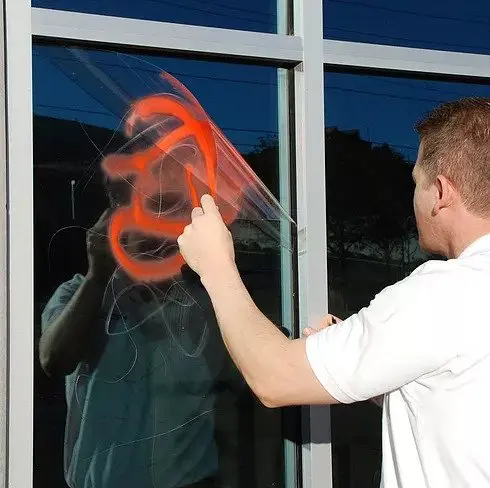
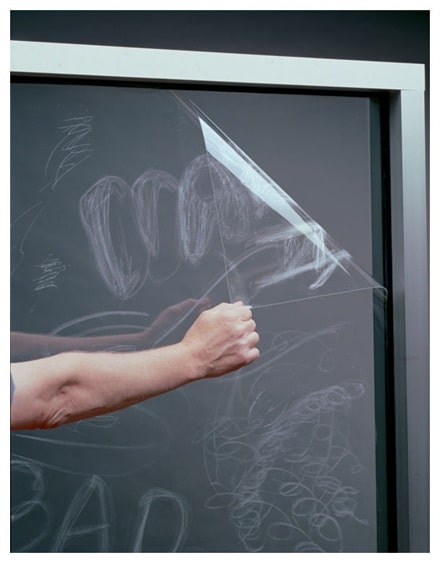
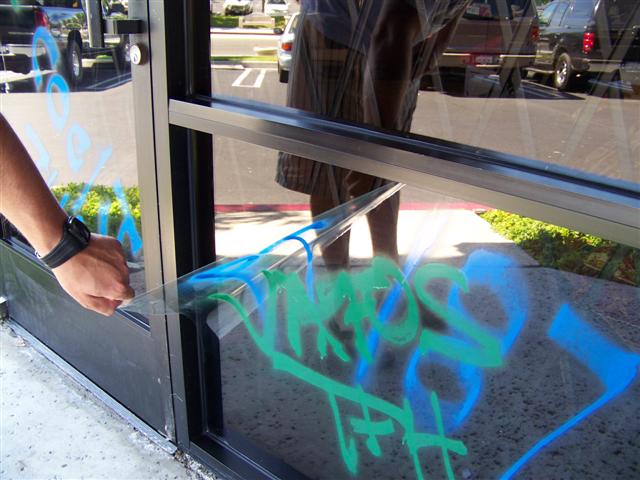
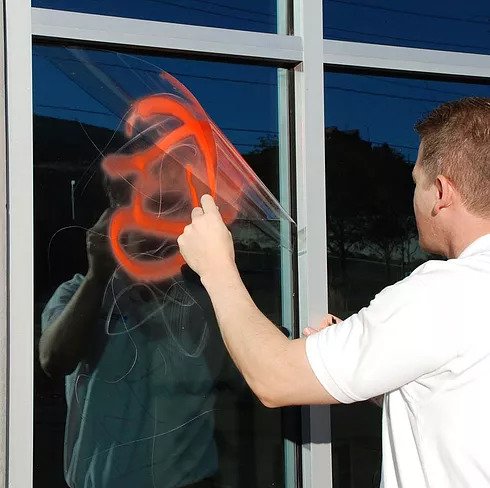
How does anti-graffiti film work? It acts as a sacrificial layer. Scratching, etching, and tagging land on the film instead of the glass underneath.
What happens after a tag or a scratch? The film is removed and replaced, so the pane can be resurfaced without replacing the glass itself.
Does it hold up in Phoenix heat? It is applied and tested against 115-degree afternoons, and we will tell you straight during a walkthrough whether your glass is a good candidate before anything goes on it.
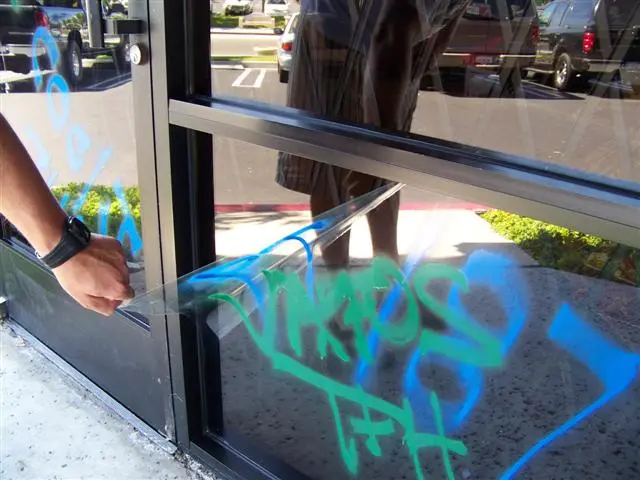
Quick Summary: Anti-graffiti window tint puts a tough, replaceable layer between vandals and your real glass. Scratch it, etch it, key it; it doesn’t matter. We peel that layer off and put on a new one. Your window underneath never gets touched.
A phone screen protector works the same way. When you replace it, it saves the expensive screen underneath. Anti-graffiti window tint does this too, just on a bigger scale and built for outdoor abuse.
The film bonds straight to the glass with a clear adhesive. It’s thicker than a standard privacy or UV film. This film is built specifically to take a hit from a screwdriver, a key, or etching cream without letting it reach the glass underneath. Once someone scratches it, that damage stays on the film’s surface.
Downtown storefronts near the light rail lines see this constantly. Ground-level glass along Roosevelt Row and similar high-foot-traffic strips takes the brunt of it: tagging, scratching, the occasional etching attempt late at night. Without a sacrificial layer, that damage is permanent. The glass itself needs replacing.
Phoenix heat plays a role. Glass expands and contracts hard through our summer swing. The film has to flex with it without lifting at the edges. We’ve seen film fail in other climates that never get tested by 115-degree afternoons. Ours does, every day.
That’s the whole mechanism. Sacrifice the film, protect the glass, keep repeating.
Call (480) 913-5889 and we will walk your windows with you.
We have installed anti-graffiti film across metro Phoenix for years. Our crews have learned that vandalism rarely strikes at random. It follows patterns tied to visibility, foot traffic, lighting, and how quickly a building owner responds the first time. Some properties send up warning flags long before a can of spray paint or an etching tool touches the glass. Knowing what to look for can save thousands in emergency glass replacement. It also keeps a storefront looking presentable to customers.
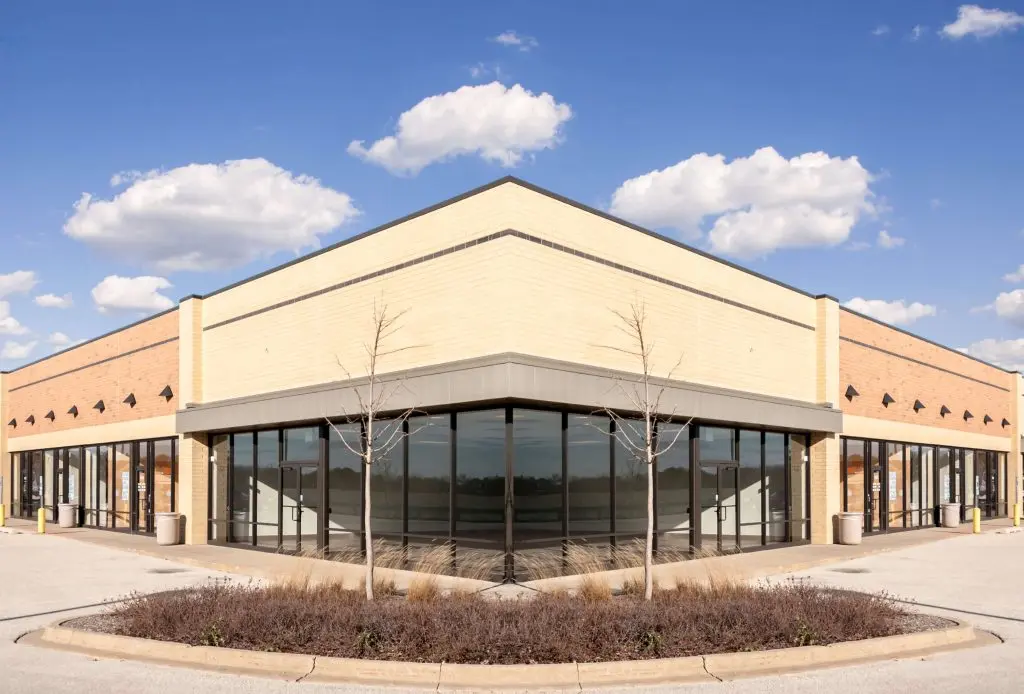
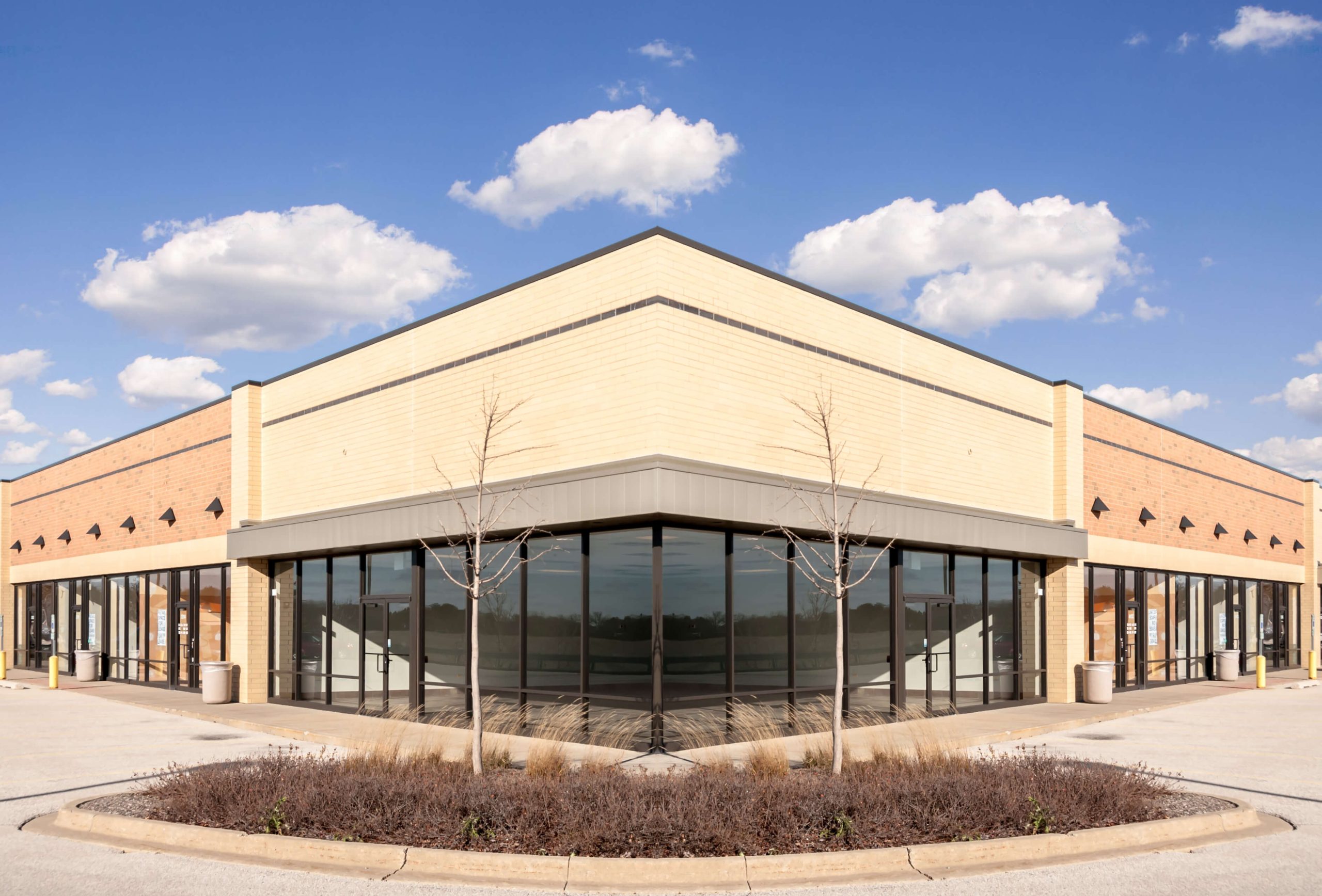
Corner properties and alley-facing glass deserve special attention in Phoenix neighborhoods like Melrose, Garfield, and stretches along Van Buren. Older commercial buildings sit close to pedestrian paths with limited surveillance. We have seen the same wall get hit three or four times in a single season once it becomes known as an easy canvas. Once a spot earns that reputation among local taggers, plain glass tends to keep getting targeted unless something changes.
Tenant complaints are a signal worth taking seriously. When retail tenants or office leaseholders start mentioning scratched entry doors or etched panels, it usually means the damage has been happening gradually. By the time it becomes a formal complaint, the glass may already need replacement.
New construction offers the clearest opportunity. Building owners who install anti-graffiti film during buildout avoid the scramble of emergency service calls. They also avoid the cost of replacing brand-new glass within the first year of operation.
Hear from clients who upgraded their glass for comfort, safety, and value.
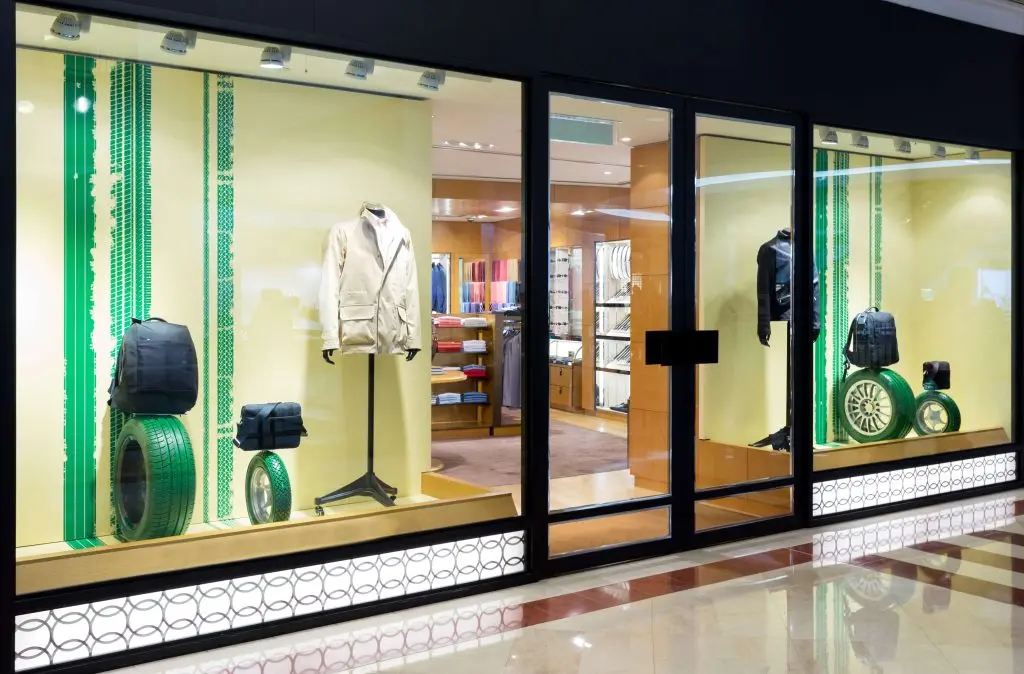
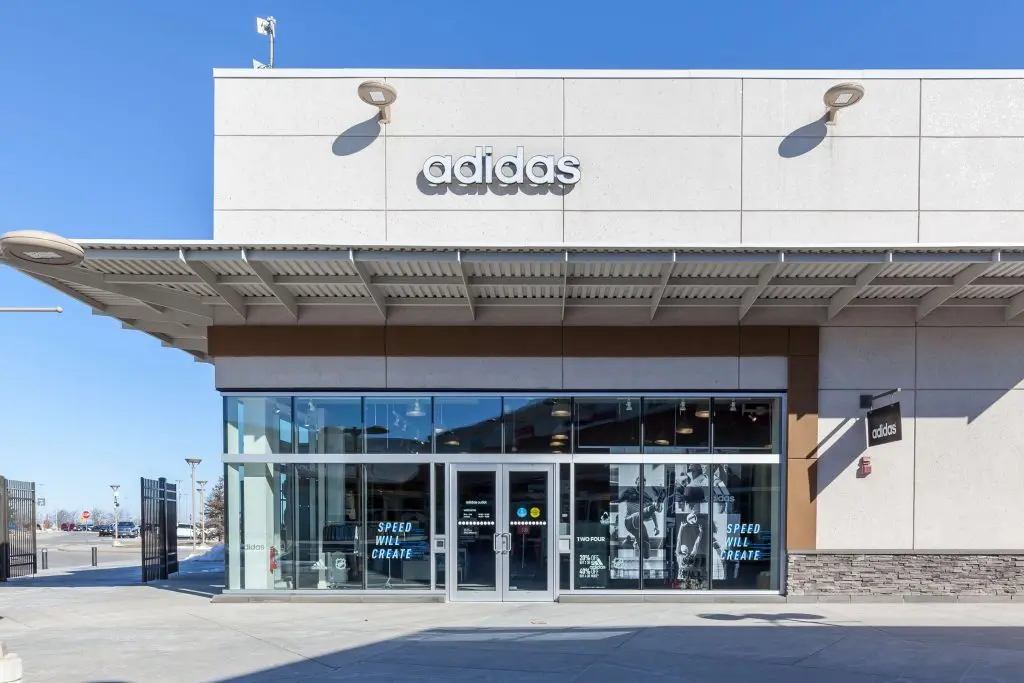
After decades of servicing storefronts across the Valley, our crews have noticed a pattern. Ground-floor glass along busy retail corridors almost always takes the hit. Stretches like Central Avenue, Roosevelt Row, the Melrose District, and portions of 7th Street and McDowell Road see heavy foot traffic after dark. This makes storefront windows an easy, visible canvas for taggers. Low visibility at night, minimal barriers between the sidewalk and the glass, and steady pedestrian flow during daylight hours that empties out later create the conditions vandals look for.
Many new business owners are surprised to learn about the City of Phoenix’s Graffiti Busters program. It removes graffiti from public property like sidewalks, utility boxes, and street signage. It does not cover privately owned storefront glass. If a tag lands on your window, the cost, labor, and liability of removal are all yours. We have watched shop owners spend hundreds of dollars on solvent-based removal or full glass replacement. They often see a fresh tag appear again within weeks. The underlying problem was never solved.
This gap in public coverage is why many longtime Phoenix retailers, restaurant owners, and property managers use anti-graffiti window film. It’s a permanent line of defense. As a family-owned business that has served this city for decades, we have installed protective film on storefronts in nearly every commercial corridor in the Valley. We know which locations get hit repeatedly versus those with occasional incidents.
Graffiti Busters cannot legally work on private glass. Prevention becomes the owner’s job. A sacrificial film layer absorbs the damage instead of the glass itself. Our team simply peels and replaces the film rather than replacing an entire storefront window.
AZ Max Tint is ready to help. Call (480) 913-5889.
Not every glass surface in Phoenix needs anti-graffiti protection. Giving honest advice means telling customers when to skip it. If your glass sits behind a locked interior corridor or in a back-of-house area with no public foot traffic, the risk of etching or tagging is zero. Sacrificial film adds a real cost and needs periodic replacement. Applying it where nobody but employees ever walk by solves a problem that does not exist.
We see confusion around dust, hard water spotting, or light surface residue from construction work near job sites. These issues usually wipe away with a standard glass cleaner and a microfiber cloth. Anti-graffiti film protects against acid etching, paint, and scratched-in tags, not everyday grime. Recommending film for a problem a customer can fix in five minutes with a bottle of glass cleaner would be a disservice. It is the kind of upsell we avoid.
The bigger misfit happens when the actual concern is break-ins or unwanted visibility, not vandalism. If a retail storefront keeps getting smash-and-grab attempts, the right answer is security window tint. This uses thicker, reinforced film designed to hold glass together against impact and slow forced entry. If the concern is people seeing into a ground-floor apartment or a street-facing conference room, privacy window tint with frosted or reflective finishes solves that directly. Layering anti-graffiti film on top of either issue treats the wrong symptom.
When you call us, we will walk your property. We ask about actual incidents and tell you plainly if anti-graffiti film is not the tool for the job. Sometimes that means recommending a different product. Sometimes it means recommending nothing at all.
Why homeowners and property managers call us first.
Trusted installs across the Valley and Arizona.
Premium films built to perform in desert sun.
Block up to 99% of UV for people and interiors.
Clear options and no-pressure estimates.
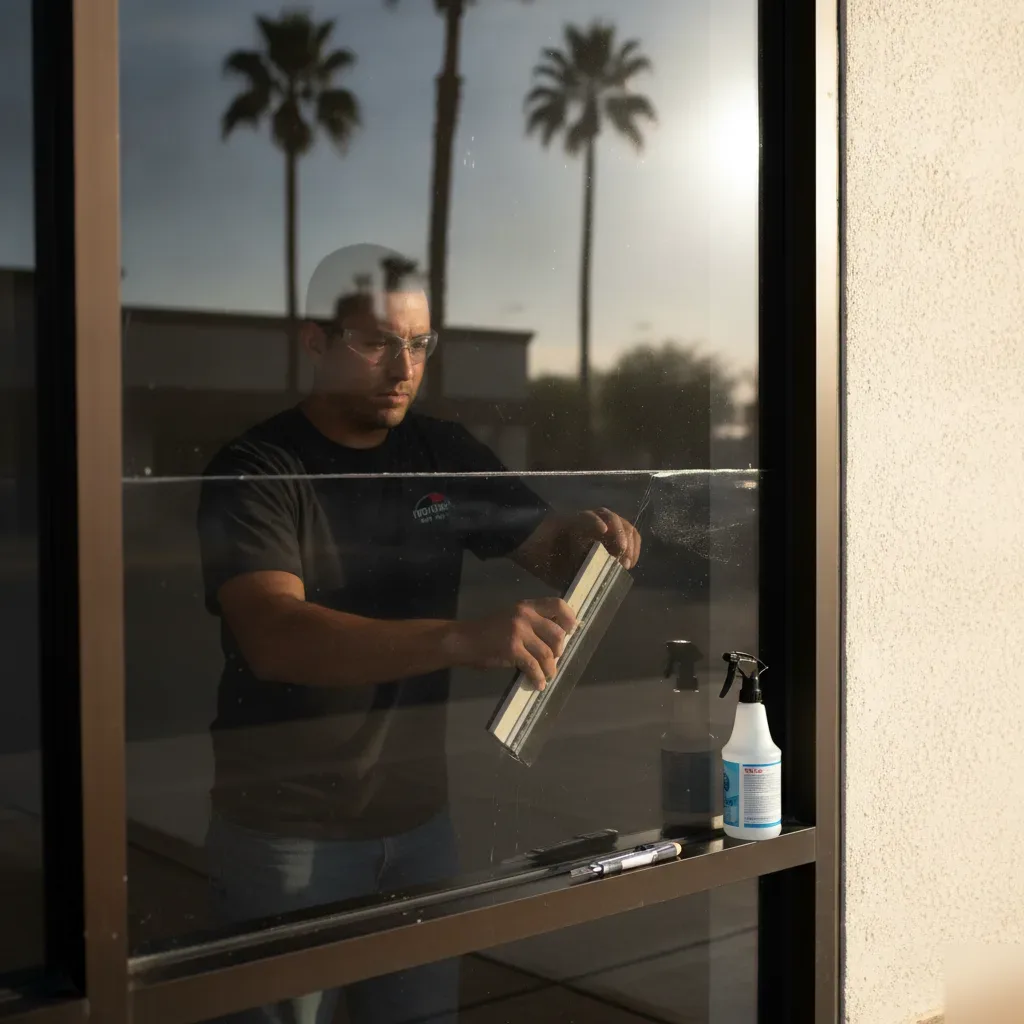
Phoenix heat changes how we work, plain and simple. Glass in direct sun can hit temperatures well past 150 degrees by early afternoon. That’s too hot for the adhesive to bond right, so we plan around it.
Most of our anti-graffiti window tint jobs get scheduled early morning or later in the day. Cooler glass means a cleaner bond and fewer bubbles. We’ve learned this the hard way over the years, so now it’s just part of how we book the day.
On install day, our crew checks the glass surface before starting. If it’s running too hot, we’ll shade the area or wait rather than rush a bad install.
Cure time matters too. In summer, film needs a few days to fully bond before you clean the glass or scrub anything stuck to it. Rush that step, and you risk lifting an edge. So we walk you through the timeline before we leave, no guessing on your end.
We’re licensed, bonded, and insured, ROC number 363904. We bring 30 plus years of doing this exact kind of work across Arizona’s heat.
Hot glass isn’t a dealbreaker. It just means timing the job right.
From your first message to the finished install — clear steps and no surprises.
01
Call, text, or send a form for a no-pressure conversation.
02
We review glass, goals, and the right film line for the space.
03
We book a time that works and perform a clean, professional install.
04
We stand behind the work and care about the long-term result.
Common questions about Anti-Graffiti Window Tint
You should call as soon as you notice a pattern, like repeat tagging or a corner lot that keeps getting hit. Most storefront jobs get scheduled within days, not weeks. We work around your business hours so install doesn’t interrupt customers. If your property has already been tagged more than once, treat it as urgent. The longer bare glass sits exposed, the more likely it gets hit again.
Our crew starts by cleaning and prepping the glass so the film bonds correctly. This step matters more in Phoenix, where dust and heat can affect adhesion if the surface isn’t right. Once the glass is ready, we apply the anti-graffiti layer directly to each pane. For a typical storefront, install takes a few hours. Your business can usually stay open the whole time, with just the glass area blocked off temporarily.
Yes, ours is built for it. Glass expands and contracts hard through Phoenix summer swings, and film that isn’t made for this climate can lift at the edges after just one season. We’ve seen that failure happen with film rated for milder climates. Ours is tested against 115-degree afternoons every single day it’s installed here, so it stays bonded instead of peeling.
No, that’s the whole point of the film. The damage stays on the film’s surface, not the glass underneath. We peel off the damaged layer and apply a fresh one, and your original window never gets touched. This is a lot like replacing a cracked phone screen protector instead of the screen itself. It’s why storefronts with repeat vandalism don’t need repeat glass replacement.
No, the city’s Graffiti Busters program only covers public property like sidewalks and utility boxes. Your storefront glass isn’t included, so removal cost and labor fall on you as the owner. We’ve seen shop owners pay for solvent removal or full glass replacement, only to get tagged again within weeks. That gap in public coverage is exactly why anti-graffiti film has become standard for many Phoenix retailers and property managers.
Watch for corner lots, alley-facing glass, or windows near bus stops and light rail stations, since these give taggers quick access and quick exits. Low lighting at night and blind spots along your building also raise risk. If a nearby wall or entrance has already been hit more than once, your glass is likely next. Installing film before the first incident is far simpler than reacting after damage starts.
Explore the rest of our specialty window film options.
Fully reflectivity on your windows and glass
Block the sun's harmful UV rays
Protect your family, employees, and customers
You can see out while nobody else can see in
Add style to your space with frosted tint
Customize your home or business
Protect your home or business from prying eyes
Unmatched style at a fraction of the cost
Protect your home or business from vandalism
Window protection from burglary or accidental damage
Cut window reflections that melt artificial turf
We’ll follow up with a clear next step, timeline, and pricing direction — with no pressure.
(480) 913-5889
info@azmaxtint.com
Business hours
Every Day: 6:00 AM - 9:00 PM
Enter Your Information Below
Enter Your Information Below