

It's 115°F Outside — Is It Too Late to Tint Your Windows This Summer?
By AZ Max Tint
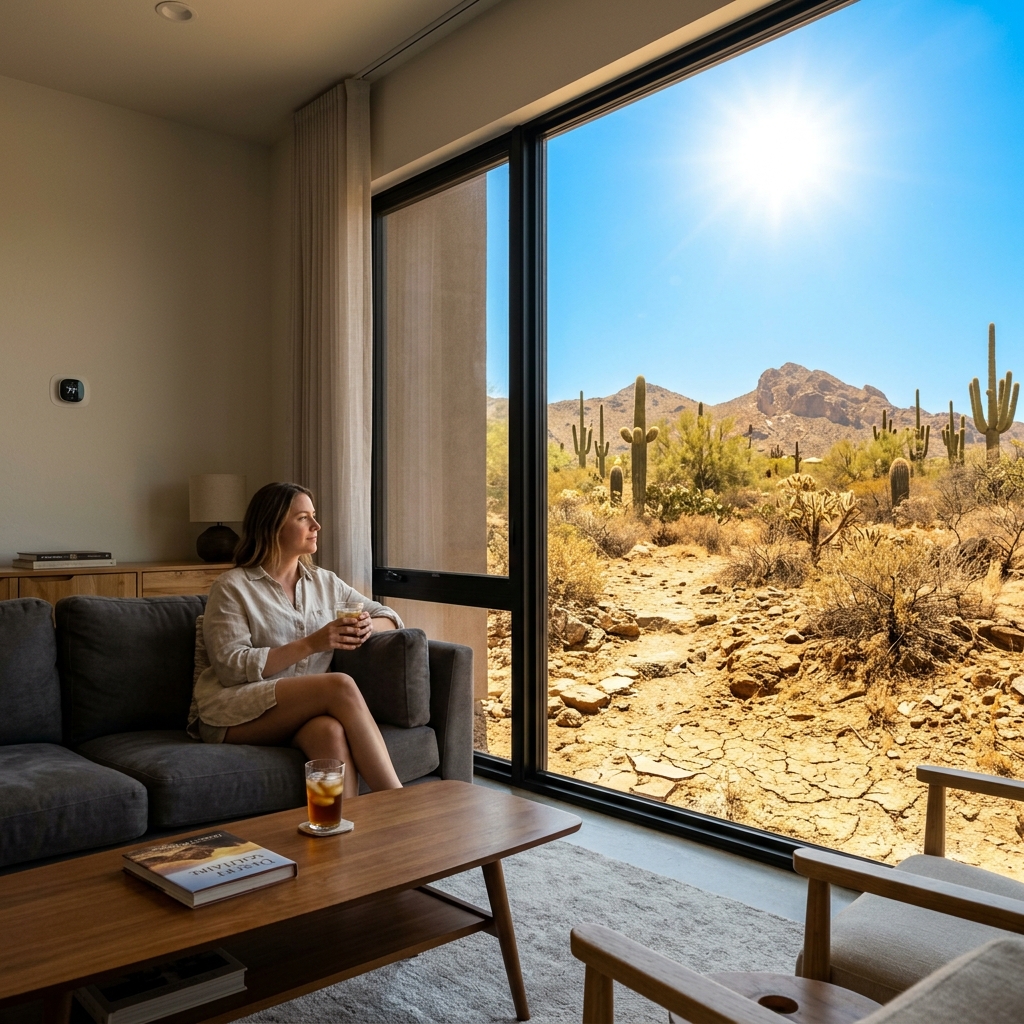
Every June in Arizona, the same question lands in our inbox: “Is it too late to get my windows tinted? Summer is already here.”
It’s a fair question. Spring is the obvious time to think about heat protection — before the triple-digit days arrive. But the reality is that most Arizona homeowners don’t think about their windows until they’re already uncomfortable, their energy bill has spiked, or they’ve finally had enough of closing the blinds in the living room at 10 a.m. to make the room livable.
Here’s what you need to know: it’s not too late. Window film can be installed any time of year in Arizona, including the peak of summer. And the sooner you do it, the sooner you stop paying the price for untreated glass.
Why Summer Is Actually a Fine Time to Tint
Installation isn’t affected by heat
Window film is applied to the interior surface of your glass. The outside temperature doesn’t impact the installation process in any meaningful way. Our installers work indoors — your air conditioning stays on, and the film goes on the interior side of the pane.
The one difference in summer: film may take a few extra days to fully cure in higher ambient humidity, but Arizona’s dry heat actually works in your favor here. Moisture evaporates quickly, which speeds up the curing process compared to more humid climates.
You start saving immediately
Film doesn’t take weeks to “activate.” Once it’s installed and cured (typically 3–7 days), it’s working — reflecting and absorbing solar heat before it enters your home. If you’re currently running your AC harder than you’d like, getting film on your windows now means your system gets relief for the rest of June, all of July, all of August, and September.
That’s four months of Arizona’s most brutal heat. Waiting until next spring means you’ve already absorbed another full summer’s worth of discomfort and elevated energy costs.
You’ll feel the difference in days
The rooms that bother you most right now — the west-facing living room that becomes unbearable after 3 p.m., the bedroom that won’t cool down at night, the home office where you can’t see your screen without closing the blinds — those are exactly the problems window film solves. Most homeowners notice a real difference within the first week.
What’s Actually Happening to Your Home Right Now
Arizona’s summer sun isn’t just warm. It’s aggressive. Here’s what untreated windows are letting through on a typical June afternoon in Phoenix:
- Solar heat gain: Standard single-pane glass transmits a large fraction of the sun’s energy directly into your home as heat. Even double-pane windows without a low-E coating can let in significant solar heat.
- UV radiation: Up to 99% of UV rays pass straight through clear glass. This is what fades your hardwood floors, your area rugs, your leather furniture, and the fabric on your curtains and couches.
- Glare: The harsh afternoon sun makes west- and south-facing rooms nearly unusable without closing every blind — which defeats the purpose of having windows.
- AC strain: Every BTU of solar heat that enters your home through glass is a BTU your air conditioner has to remove. In Arizona, where AC systems run almost continuously from May through October, that adds up fast on your energy bill.
Window film addresses all four of these problems at once. It rejects a substantial portion of solar heat before it enters the room, blocks up to 99% of UV rays, cuts glare dramatically, and reduces the load on your cooling system.
”But Won’t the Heat Damage the Film?”
This is one of the most common concerns we hear, and it’s based on an outdated understanding of window film technology.
Modern professional-grade window films are specifically engineered for high-heat climates. Arizona is not an unusual or especially challenging environment for quality film — it’s one of the primary conditions these products are designed and tested for. The films we install are rated to perform in sustained high temperatures and direct UV exposure for years, not months.
Cheap, box-store films are a different story. Low-quality film with weak adhesives can bubble and fail in extreme heat. This is one reason professional installation matters: you’re getting a product and an adhesive designed for your specific climate, applied by someone who knows what they’re doing.
Quality film professionally installed in Phoenix in July will perform exactly as well as the same film installed in February. The warranty doesn’t care what month it went on.
The Cost of Waiting Until “Next Spring”
Let’s be direct about what waiting costs you.
Energy costs
Arizona homeowners running central AC through the summer spend real money cooling solar heat out of their homes. Window film can reduce cooling costs meaningfully — particularly for commercial buildings, but residential properties see significant benefits too. Every month you wait is a month you’re paying for heat you didn’t have to let in.
Furniture and flooring damage
UV damage is cumulative and largely irreversible. Hardwood floors that have been fading for three summers look different from floors protected from day one. The same goes for rugs, sofas, window treatments, and artwork. Film stops the damage — it doesn’t reverse it. The sooner it goes on, the more you preserve.
Comfort cost
This one is harder to put a number on, but it’s real. Closing blinds to make a room livable means you’re not enjoying the home you’re paying for. If you have a great view, west-facing windows, or a room that’s effectively unusable from early afternoon onward — that’s a quality-of-life problem that window film solves.
Which Windows Should You Prioritize?
If you’re thinking about getting film installed this summer and want to prioritize, focus on the glass that’s causing you the most pain right now:
West-facing windows are the highest priority in Arizona. The afternoon sun hits these windows at full intensity from roughly 2 p.m. until sunset — the hottest part of the day, when outside temperatures are already at their peak. Rooms with significant west-facing glass are notoriously difficult to keep comfortable without film.
South-facing windows get direct sun for most of the day and should be treated if you have large panes or rooms that overheat.
Sliding glass doors are often the single biggest source of solar heat gain in Arizona homes. They’re large, they’re typically single- or double-pane clear glass, and they face the backyard — frequently south or west. If you have a sliding door into a great room or master bedroom and that room is hot, the door is almost certainly a major contributor.
East-facing windows heat up in the morning. Less severe than west, but worth treating if those rooms are uncomfortable in the early hours.
Skylights can be treated with specialty film, though the product selection differs from standard vertical glass applications.
For more on what a whole-home assessment looks like, feel free to get in touch — we walk through which windows will give you the most return before recommending anything.
What About Double-Pane Windows?
If your home has double-pane windows, you may have heard that window film can cause thermal stress and cracking. This is a real consideration — but it’s not a reason to skip film. It’s a reason to work with a professional who knows which films are compatible with double-pane glass.
We covered this topic in depth in our post on thermal shock and double-pane windows. The short version: many films are specifically rated for double-pane application, and a proper assessment of your glass type determines which product is right. This is another area where professional installation protects you — a knowledgeable installer won’t put the wrong film on your glass.
What to Expect from the Process
If you’ve never had window film installed professionally, here’s a quick look at how it goes:
- Consultation — We assess your glass, discuss your goals (heat, glare, privacy, or a combination), and recommend the right film for each window. This is often done during the same visit as installation for straightforward residential jobs.
- Installation — Film is applied to the interior surface of your glass. Most homes can be fully done in a single day. You stay comfortable inside while we work.
- Cure period — For the first few days, you may notice a slight haze or small water pockets. This is normal and clears completely as the film cures. In Arizona’s dry conditions, this typically resolves within 3–5 days.
- Done — No maintenance required beyond normal glass cleaning. Avoid abrasive scrubbers and harsh chemicals on the film surface, and it will look and perform as installed for years.
The Bottom Line
You didn’t miss the window. (No pun intended.)
Summer is already here, and the question isn’t whether it’s too late to tint — it’s how many more weeks of this summer you want to get through without it. Every day your west-facing rooms are cooking, your AC is running harder than it should, and your floors and furniture are absorbing UV damage that doesn’t reverse.
Window film is a same-week solution. Call or fill out the form below and we can typically get you scheduled within a few days. You’ll feel the difference before the end of June.