

High-Risk Storefronts in Arizona: Why Dispensaries, Jewelry Stores, and Pharmacies Choose Security Window Film First
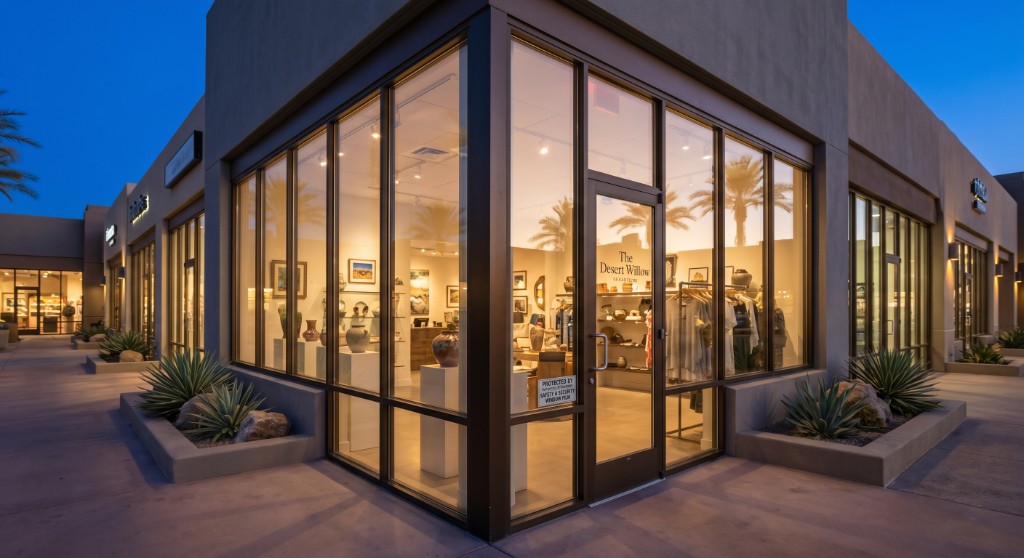
If you run a dispensary, jewelry store, or pharmacy in Arizona, you already understand the stakes: a single break-in can mean major inventory loss, expensive repairs, insurance complications, and days of disrupted operations.
For most street-level locations, the weakest point is not the lock. It is the glass.
That is why more high-risk storefronts are moving security window film to the top of their protection plan. It is not a replacement for alarms, cameras, or access control. It is the layer that makes forced entry through glass slower, louder, and harder.
Why These Three Business Types Are Targeted
Different industries get hit for different reasons, but the storefront vulnerability is similar.
Dispensaries
Cannabis retail locations often store high-value inventory in predictable places and may face highly coordinated smash-and-grab attempts focused on speed. Attackers generally want quick entry and quick exit before law enforcement can respond.
Jewelry stores
Jewelry has extremely high value density. A small display case can represent a major financial loss. For street-facing locations, a shattered front panel can create an immediate access point.
Pharmacies
Pharmacies are often targeted for controlled substances and high-demand medications. Even when product is secured internally, fast entry through glass can create dangerous exposure and safety risks for staff and customers.
What Security Window Film Actually Changes During an Attack
A common misconception is that security film makes glass “unbreakable.” It does not.
Instead, quality security film helps hold broken glass together after impact. In real-world terms, that means:
- The first hit may crack the glass, but the opening is harder to create.
- Intruders typically need repeated strikes to force a pass-through hole.
- That delay increases the chance of deterrence, witness attention, and police response.
For businesses targeted by rapid-entry theft, seconds matter. Security film is valuable because it adds those seconds at the exact point intruders want immediate access.
Why Arizona Businesses Prioritize This Earlier Than Other Markets
In many Phoenix-area corridors, storefronts use large glass spans to maximize visibility and curb appeal. That design works for traffic and branding, but it also increases exposed attack surface.
Arizona operators are also balancing:
- Long business hours with predictable opening and closing patterns
- High-value inventory concentration near public-facing glass
- Elevated replacement and downtime costs when custom glazing is damaged
When owners evaluate risk in practical terms, security film often becomes one of the most cost-effective first upgrades before larger structural retrofits.
Insurance and Risk Conversations Are Getting More Specific
Many carriers and risk advisors now ask detailed questions about physical hardening, not just alarms and cameras.
You may be asked:
- How easy is forced entry through glass?
- Are vulnerable panes protected with retention systems?
- What is your expected downtime after a break event?
Security film can strengthen your position in these conversations by showing proactive risk mitigation around one of the most common entry paths.
Security Film Works Best as Part of a Layered Plan
Security film is strongest when paired with other controls you may already have:
- Monitored intrusion alarms
- Surveillance with clear sightlines
- Strong lock and door hardware
- Interior merchandising and storage practices that reduce grab-and-go opportunities
Think of security film as the friction layer at the glass line. It does not eliminate risk, but it can materially reduce how fast a break-in can turn into a major loss.
A Better Question Than “Do I Need Security Film?”
For high-risk storefronts, a more useful question is:
“If someone hits our front glass tonight, how long does it take to get through?”
If the honest answer is “not long,” security film deserves serious consideration.
Choosing the Right System for Your Storefront
Not all installations are equal. Film thickness, adhesive performance, and attachment method all affect outcome. Building-specific factors like pane size, frame condition, and entry-point layout matter too.
A professional site assessment should identify:
- Which glass areas are true forced-entry risks
- Whether your current glazing and framing support the recommended film system
- Where anti-graffiti film, safety film, or heavier security systems should be used in combination
If you want the ROI side of this decision, read our deeper breakdown on anti-graffiti and security window film ROI.
Protect the Glass Before You Need To
Break-ins are expensive even when inventory loss is limited. The cleanup, emergency board-up, replacement lead times, and operational disruption can be just as painful as the theft itself.
For Arizona dispensaries, jewelry stores, and pharmacies, security window film is one of the clearest ways to strengthen storefront resilience without compromising visibility or brand presentation.
AZ Max Tint helps high-risk businesses across the Valley evaluate vulnerable glass and install the right protection for real storefront conditions. Call or text (480) 913-5889 or request a quote online to schedule a commercial assessment.