

Commercial Window Tinting in Arizona: How It Can Lower Cooling Costs
By AZ Max Tint
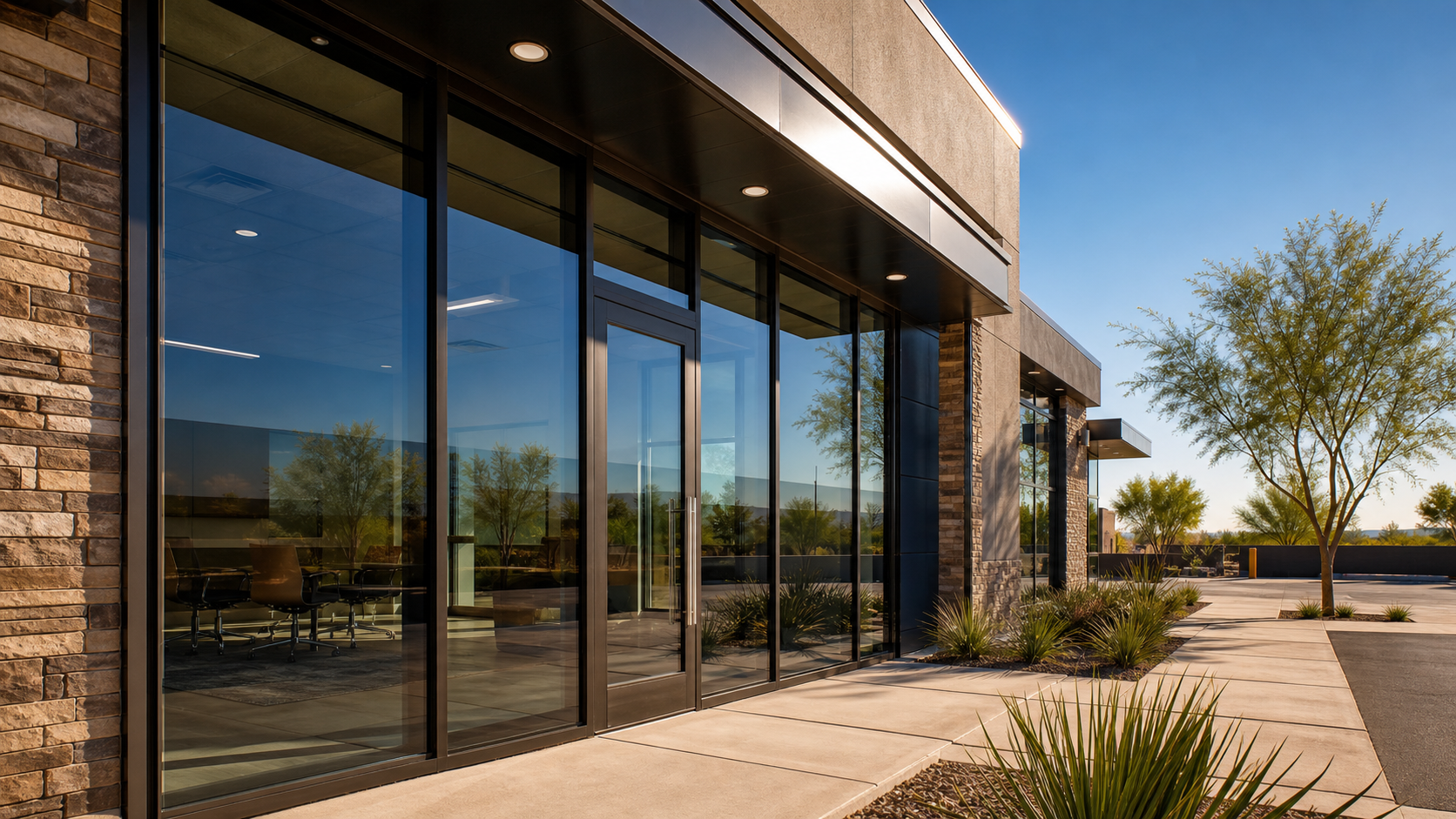
Arizona businesses do not have to wait for peak summer to feel the cost of glass. Storefronts, offices, restaurants, medical suites, salons, and showrooms can all look bright and professional from the curb, then become expensive to keep comfortable once the sun hits the windows.
If your space has hot zones near exterior glass, blinds that stay closed most of the day, employees avoiding certain workstations, or customers drifting away from sunny tables and waiting areas, the issue may not be your HVAC system alone. A large part of the cooling load can come from solar heat entering through untreated glass.
Commercial window tinting, also called commercial window film or solar control film, helps address that problem at the glass. It can reduce heat gain, soften glare, and protect interiors without requiring a full window replacement or major renovation.
Quick Answer
Commercial window tinting can help Arizona businesses lower cooling costs by reducing solar heat gain through exterior glass. The right window film blocks part of the sun’s heat before it enters the building, which can make offices, storefronts, restaurants, and other commercial spaces easier to cool. It can also reduce glare, protect merchandise and finishes from UV exposure, and improve comfort near windows.
AZ Max Tint installs commercial window film for businesses across the Greater Phoenix area and Arizona by appointment, including offices, retail storefronts, restaurants, salons, medical suites, showrooms, and other commercial properties.
Why Arizona Businesses Feel Solar Heat So Quickly
In Arizona, sunlight is not a seasonal inconvenience. Long stretches of intense sun mean exterior glass can affect comfort for much of the year, especially on south- and west-facing elevations in Phoenix, Scottsdale, Mesa, Tempe, Chandler, Gilbert, Glendale, Peoria, and surrounding Valley communities.
The result is usually a familiar pattern:
- The front of the business feels hotter than the back.
- Thermostats get adjusted lower to compensate for one problem zone.
- Employees use blinds, paper signs, or makeshift shades to control glare.
- Customers avoid certain seats, counters, or waiting areas during bright hours.
- HVAC equipment works harder during the same parts of the day when utility demand is already high.
Commercial window film helps by reducing the amount of solar energy that passes through the glass before it becomes heat inside the building. That is why many Arizona property owners evaluate window film before assuming they need new windows, darker blinds, or more HVAC capacity.
How Window Tinting Can Reduce Cooling Demand
Windows are one of the easiest places for heat to enter a building. When direct sun hits untreated glass, that energy transfers indoors and raises the temperature near the window line. Your air conditioning system then has to remove that heat to keep the space comfortable.
Solar control film is designed to reject a portion of that incoming solar energy. The exact performance depends on the film, glass type, building orientation, and installation conditions, but the goal is straightforward: reduce unnecessary heat gain so the cooling system is not constantly fighting the sun.
For business owners and property managers, that can mean:
- More stable indoor temperatures throughout the day
- Less pressure to overcool the entire space just to fix one hot zone
- Improved comfort near windows, registers, display areas, desks, and seating
- Potential reductions in cooling-related energy use over time
Window film is not a replacement for proper HVAC maintenance, insulation, or building controls. It is a practical efficiency upgrade that targets one of the most visible sources of heat load: glass exposed to the Arizona sun.
What Types of Businesses Benefit Most?
Commercial window tinting is especially useful for Arizona businesses with large glass areas, customer-facing windows, or workstations near exterior glass.
Common fit examples include:
- Retail storefronts and showrooms where direct sun heats display zones or fades merchandise
- Offices and professional suites where glare affects monitors, conference rooms, and reception desks
- Restaurants and cafes where customers avoid window seating during bright or hot hours
- Medical, dental, and wellness offices where privacy, comfort, and a calm interior matter
- Salons and spas where clients sit near windows for long appointments
- Property management and tenant improvement projects where comfort upgrades need to be completed with limited disruption
The right film depends on how the building is used. A retail space may prioritize glare and merchandise protection. An office may need comfort without making the building look too dark. A restaurant may need cooler seating near the glass while keeping the space bright and inviting.
Comfort Matters as Much as the Utility Bill
Cooling costs are important, but comfort is usually the first thing people notice after film is installed. A business can save energy and still have a poor customer experience if the space feels uneven, harsh, or hard to work in.
Commercial window tinting can make a building more usable by reducing the temperature difference between areas near the glass and areas deeper inside the space. That matters for:
- Reception desks and front counters
- Restaurant tables near windows
- Retail displays and checkout areas
- Conference rooms with exterior glass
- Medical, dental, salon, and spa treatment rooms
- Offices where employees sit near windows all day
When the perimeter of a space is more comfortable, you may not need to rely as heavily on blinds or thermostat adjustments. The space can stay brighter, more open, and easier to use.
Glare Reduction Helps Productivity and Sales
Glare is often treated as a separate issue from cooling, but in real buildings the two show up together. The same windows that bring in heat can also create harsh light on monitors, point-of-sale screens, waiting areas, product displays, and customer-facing counters.
The wrong solution is to close the blinds all day and lose the natural light that made the space appealing in the first place. The right commercial film can reduce glare while preserving a cleaner, more professional appearance from inside and outside.
For offices, that can mean fewer workstations affected by screen washout. For retail and restaurants, it can mean better visibility, more comfortable seating, and a stronger presentation during bright afternoon hours.
Protecting Interiors Adds Another Layer of Value
Solar heat is only part of the problem. Arizona sun can also contribute to fading and wear on interiors, merchandise, furniture, flooring, signage, artwork, and displays.
Quality window films can reject a significant amount of UV light, which helps slow one of the major contributors to fading. Heat and visible light also play a role, so a good film recommendation should consider more than UV protection alone.
This is especially useful for:
- Retail stores with merchandise near the windows
- Showrooms with sample materials, flooring, or furniture
- Restaurants with upholstered seating
- Offices with artwork, wood finishes, or branded interior displays
- Medical and professional spaces that want a polished, consistent look
Reducing sun exposure does not make interiors immune to aging, but it can help protect the investments you have already made in the space.
The Best Film Is Not Always the Darkest Film
Many owners hear “window tint” and picture dark, reflective glass. That is only one part of the commercial film category.
Modern commercial window films come in a range of appearances and performance levels. Some are designed for strong heat rejection with a more noticeable exterior look. Others are more neutral or nearly clear, prioritizing comfort while preserving the building’s existing appearance.
The right choice depends on:
- The direction the windows face
- The amount of direct sun the glass receives
- Whether the building uses single-pane, dual-pane, low-e, or specialty glass
- The look required by the brand, landlord, or property manager
- The balance between heat reduction, glare control, privacy, and natural light
A professional installer should evaluate the glass before recommending film. Certain glass systems and coatings require compatible products to reduce the risk of thermal stress and protect manufacturer warranty coverage where applicable.
What Should You Ask Before Choosing Commercial Window Film?
Before choosing a product, ask questions that connect performance to the way your business actually operates:
- Will this film reduce heat enough for our worst windows?
- How much visible light will it preserve?
- Will it make the building look reflective, darker, or more neutral from the outside?
- Is it compatible with our glass type?
- Does the manufacturer warranty apply to this application?
- Can the installation be scheduled around business hours, tenant access, or customer traffic?
Those questions matter because commercial film is not one-size-fits-all. The best recommendation for a west-facing restaurant can be different from the best recommendation for a professional office, storefront, or medical suite.
Where Commercial Film Usually Pays Off First
If you are deciding where to start, focus on the areas where solar heat creates the most operational friction.
High-priority zones often include:
- West-facing windows that receive intense afternoon sun
- South-facing glass with long daily exposure
- Customer seating or waiting areas that become uncomfortable
- Registers, reception desks, and workstations affected by glare
- Retail displays or inventory exposed to direct sunlight
- Large panes or glass doors that make one part of the space harder to cool
You do not always have to film every piece of glass at once. A phased approach can start with the worst exposures, then expand once you see how the building responds.
A Practical Checklist Before Requesting an Estimate
Before contacting an installer, walk your space during the hours when the problem is worst and make a short list.
Ask yourself:
- Which windows create the most heat?
- What time of day is the problem most noticeable?
- Are employees, customers, or equipment affected?
- Do blinds or shades stay closed most of the day?
- Are there products, furnishings, or finishes near the glass that need protection?
- Is the priority energy savings, comfort, glare reduction, privacy, appearance, or a combination?
This information helps the installer recommend film based on your real conditions instead of guessing from square footage alone.
Commercial Window Tinting vs. Window Replacement
Window replacement can improve building performance, but it is often expensive, disruptive, and unnecessary when the existing glass is structurally sound.
Commercial window film is usually a more practical first step because it works with the windows you already have. Installation is typically less invasive than replacement, and most businesses can continue operating with minimal disruption depending on scope, access, and scheduling.
For many Arizona businesses, the question is not whether new windows would perform better. The better question is whether a professionally installed film can solve the immediate heat, glare, and comfort problems at a fraction of the disruption.
Is Commercial Window Tinting Worth It in Arizona?
Commercial window tinting is worth evaluating when direct sun is making a business harder to cool, harder to work in, or harder to present well to customers. The value is strongest when the same windows are causing several problems at once: heat, glare, fading, privacy concerns, and uncomfortable customer or employee areas.
The return is not only measured on the utility bill. A cooler reception area, a usable conference room, a more comfortable dining section, or protected merchandise near the windows can all affect how the business operates day to day.
When Security Film Should Be Part of the Conversation
Solar control film focuses on heat, glare, UV, and comfort. Security film is designed for a different purpose: helping hold broken glass together and slowing access after impact.
Some businesses need both conversations, especially street-facing storefronts, dispensaries, jewelry stores, pharmacies, salons, and other locations with valuable inventory or vulnerable glass. In those cases, it is smart to discuss solar performance and glass protection together instead of treating them as unrelated upgrades.
For more on that side of the decision, read our guide on security window film for high-risk storefronts.
Frequently Asked Questions
Does commercial window tinting really lower energy bills?
It can help reduce cooling-related energy use by limiting solar heat gain through glass. Actual savings depend on the film, glass type, window area, building orientation, HVAC performance, thermostat settings, and how the space is used.
Will window film make my business too dark?
Not necessarily. Modern commercial films include neutral and lighter options that reduce heat and glare while preserving a bright interior. Darker or more reflective films are available when privacy, glare reduction, or a uniform exterior appearance is the priority.
Can window film be installed while my business is open?
Often, yes. Many commercial projects can be scheduled in phases or during lower-traffic hours. Access, furniture, window size, and business operations all affect the installation plan.
Is commercial window film only for storefronts?
No. Commercial window film is used on offices, restaurants, medical suites, schools, showrooms, salons, tenant spaces, and many other buildings with exterior glass.
Who installs commercial window tinting in Phoenix and Arizona?
AZ Max Tint installs commercial window film for businesses across the Greater Phoenix area and Arizona by appointment. The company focuses on residential and commercial window film, including solar control, glare reduction, UV protection, privacy, decorative, security, and specialty film applications.
Build a Cooler, More Usable Business Space
Commercial window tinting can help Arizona businesses reduce solar heat gain, improve comfort, control glare, and protect interiors without changing the footprint of the building. The best results come from matching the film to the glass, the exposure, and the way the space is actually used.
AZ Max Tint is a family-owned window film company serving the Greater Phoenix area and Arizona by appointment. We are licensed, bonded, and insured, ROC #363904. We help business owners, property managers, and commercial tenants evaluate problem windows and choose film that fits the building, the glass, and the goals for the space.
Call or text (480) 913-5889 or request a quote online to schedule a commercial window film estimate.