
Most Phoenix business owners think about glass twice: when they sign the lease, and when someone breaks it. Dispensaries, jewelry stores, and pharmacies tend to think about it much earlier than that, and they are usually right to.
These three categories share a specific risk profile. They hold concentrated, portable, high-value inventory behind a large sheet of glass, in a building that is empty for a predictable stretch of every night. Security window film does not make that glass unbreakable. It changes the math on how long breaking it takes.
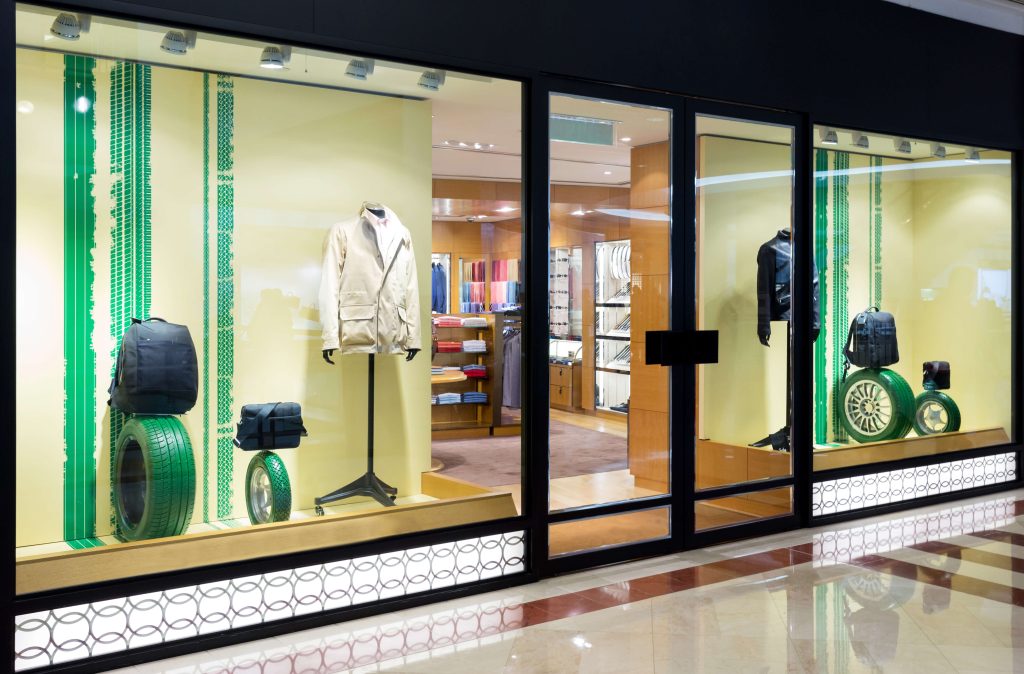
Arizona dispensaries operate under federal banking constraints that push more of the business toward cash than a comparable retailer would carry. Combine on-site cash with high-value regulated product and a storefront on a commercial corridor, and the exposure is obvious to the operator and to anyone else paying attention.
The highest value-to-volume ratio in retail. A smash-and-grab that lasts under a minute can clear cases holding more value than most businesses hold in inventory all year. Speed is the entire attack model, which makes anything that slows entry disproportionately effective.
Controlled substances behind glass, with a diversion market and a predictable overnight vacancy. Pharmacy break-ins are typically targeted rather than opportunistic, which means the person at the glass has usually thought about the approach in advance.
It is worth being precise, because security film is frequently oversold.
What it does not do: it does not make glass bulletproof, and it does not make glass unbreakable. A determined person with the right tool and enough time will get through.
What it does do: it bonds to the glass so that when the pane fractures, the fragments stay attached to the film rather than falling away. The glass breaks; the opening does not. Instead of one strike creating an entry point, the attacker faces a spidered but intact membrane that has to be repeatedly struck, cut, or pushed through.
That converts a five-second entry into a sustained, loud, visible effort. Smash-and-grab depends on being gone before anyone responds. Removing the “smash” step removes the model. As LLumar notes in its architectural film documentation, safety and security film helps hold broken glass together and reduces flying fragments — which is also why the same product category is used for severe weather.
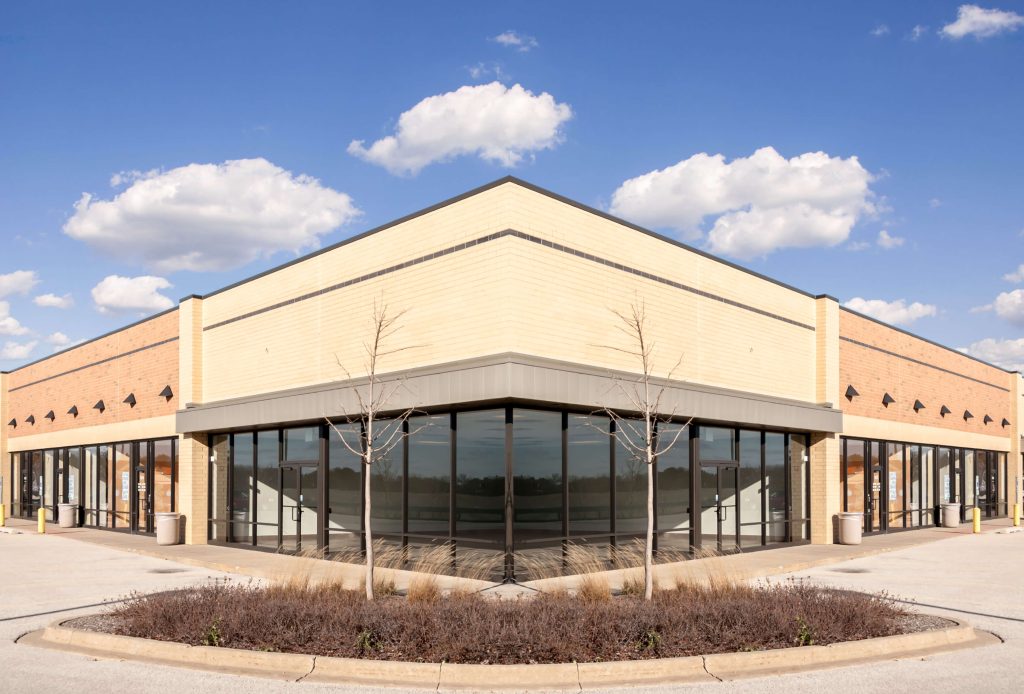
Security film is a technical product and its performance is measurable. Films are specified by thickness in mils and by the strength of the attachment system holding film to frame. A film applied only to the glass face performs differently from one anchored to the frame with a wet-glaze or mechanical attachment, because an anchored system resists the pane being pushed out as a unit.
The International Window Film Association publishes guidance on film categories and installer practice, and impact performance is evaluated against recognized test standards. Ask any installer what thickness they are proposing, whether the system includes frame attachment, and what testing the product has been through. Those three questions separate a real security specification from tinted glass sold as one.
Film selection also has to match the existing glass. Installers work from glass compatibility references rather than applying one product to every opening.
Valley commercial corridors put a great deal of retail directly on arterial roads with large glass frontage, deep parking setbacks, and limited natural surveillance after close. That is a different environment from dense urban retail where foot traffic continues into the evening.
There is also a practical climate factor: Phoenix storefronts often already need solar control film for heat and fading. When film is going on the glass regardless, the incremental step to a security-rated product is smaller than starting from nothing — which is why we frequently scope both together rather than as separate projects.

Security film works because it buys time. Time only has value if something happens during it.
A layered approach means the delay film creates is spent usefully: monitored alarms that are already dispatching, camera coverage that produces usable identification, lighting that removes concealment, interior barriers that protect the actual product, and a safe or cash-handling routine that limits what is available even after entry.
Film without an alarm just means the break-in takes longer. Film with monitoring means the break-in takes longer and someone is already on the way.
Ask instead: if someone struck my front glass right now, how long until they were inside, and what would they reach first?
If the answer is “a few seconds” and “the display case,” that is the case for hardening the glass. If the answer is “a while” and “an empty vestibule,” your exposure is lower and your money may be better spent elsewhere. A useful assessment tells you which of those you are, rather than quoting film for every opening.

Security film is inexpensive relative to a single break-in, and it is one of the few security measures that keeps working when the power is out, the alarm is ignored, or the response is slow. It is also the only one that does its job in the seconds that actually matter.
Explore security window tint and safety window tint, see our full commercial window tinting services, or request a free estimate. We will walk your storefront and tell you which glass is worth hardening.
If cooling cost rather than security is your primary driver, see how commercial window tinting lowers cooling costs. For glare and merchandise fading, see storefront and office window film.
Enter Your Information Below
Enter Your Information Below