Categories
Projects Residential Window Tint Turf Burn Protection

Turf Burn Protection Film In Gold Canyon: Stopping Window Reflection From Burning Artificial Grass

PROJECT POST

Turf Burn Protection Film In Gold Canyon: Stopping Window Reflection From Burning Artificial Grass

October 6, 2026

A homeowner in Gold Canyon came to us through our website with a problem most people have never heard of until it happens to them: their artificial grass was burning, and the windows were doing it. This is a little bit different than usual issues that home window tinting solves.

Not sun damage in the general sense. A defined area of melted, warped turf, caused by sunlight reflecting off the glass of their own house and landing back on the lawn. There are several window tint options for solving this problem. We installed Pristine 70 on the exterior of five windows facing south and east, and the burning stopped.
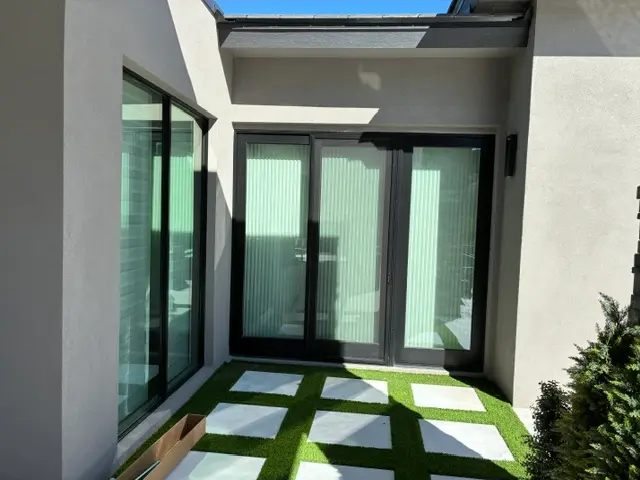
Exterior window film on a Gold Canyon, Arizona home installed to stop window reflection from burning artificial grass

The Problem: Windows That Melt Your Lawn

Turf burn from window reflection is a real and increasingly common problem, and it surprises people every time. The homeowner usually blames the turf, the installer, or the Arizona sun in general. The actual culprit is the glass.

Modern energy-efficient glazing is built to reflect solar energy rather than let it into the house, which is exactly what you want for your cooling bill. That reflected energy has to go somewhere. When it comes off a south- or east-facing pane at the right angle, it lands on whatever is in front of it, and if the pane has any slight bow to it, that reflection can be concentrated rather than scattered. Artificial grass is a synthetic fiber. Concentrated reflected sunlight is more than it can take, and the result is a scorched or melted strip across the lawn that will not grow back, because it was never growing in the first place.

Why This Keeps Happening In Gold Canyon And The East Valley

Gold Canyon sits out past Apache Junction at the foot of the Superstitions, and like much of the east Valley it is full of newer homes built with energy-efficient glass and landscaped with artificial turf instead of grass that needs watering. Those two choices are individually sensible and occasionally a bad combination.

Add the Arizona sun, which is stronger and higher-angle than almost anywhere else these products get installed, and you have the conditions for turf burn: reflective glass, synthetic lawn, and an enormous amount of solar energy to work with. We see it across Gold Canyon, Apache Junction, Queen Creek, Mesa and the wider Phoenix metro, almost always on south- and west-facing elevations and almost always on homes under fifteen years old.

The AZ Max Tint Solution: Pristine 70 On The Exterior

Tom specified Pristine 70, and the homeowner went with the recommendation.

The critical detail on this project is not the film. It is where it went. The film was installed on the outside of the glass, not the inside.

That is the opposite of a normal window tint job, and it is the only thing that works for this problem. Interior film sits behind the glass, so the sunlight has already hit the exterior surface and bounced away before the film has any say in it. Interior film is excellent at managing what comes into the house and does nothing at all about what reflects off it. Stopping a reflection means treating the surface doing the reflecting, which means going outside.

Five windows on the south and east elevations were treated, which were the ones putting reflection onto the turf.

Why 70 And Not Something Darker

Pristine 70 is a light film, and that is deliberate. The homeowner’s problem was not heat inside the house and it was not glare. It was one specific reflection hitting one specific area of lawn. Treating that does not require darkening the windows of the home, changing how the house looks from the street, or reducing the light inside the rooms. The right fix for a turf burn problem is the lightest film that interrupts the reflection, not the darkest film available.

The Installation

Damon and Sam handled the install across the five affected windows.

Exterior film work is its own discipline. The installer is working on the weather side of the glass, where dust, wind and direct sun all have a say in how clean the application goes, and where the film has to be set without contamination in conditions that are actively trying to contaminate it. It is a different job from standing in an air-conditioned living room working on the inside of the same pane.

What The Film Did For This Home

  • Stopped the reflection that was burning the artificial turf
  • Protected the remaining lawn from further damage
  • Left the appearance of the house essentially unchanged, with no dark or mirrored look
  • Kept interior light levels where the homeowner wanted them
  • Addressed the cause at the glass rather than working around it with shade sails or relocated landscaping

The Finished Result

No more burning. The turf that survived is safe, and the homeowner did not have to re-landscape, rebuild a section of lawn every summer, or put up a structure to block their own windows.

If you have artificial grass with a melted stripe across it, look at the windows facing that stripe before you blame the turf. Our turf burn protection film page explains how we diagnose and treat it, and our residential window tinting page covers the rest of what film can do for a Phoenix-area home. The full range of window film options is there too.

Get A Window Tinting Estimate From AZ Max Tint

If heat, glare, UV exposure, privacy, reflection damage or excessive sunlight is making your Phoenix-area home or commercial property less comfortable, AZ Max Tint can help you find the right window film for your space.

Call AZ Max Tint: (480) 913-5889
Contact AZ Max Tint: https://azmaxtint.com/contact

For directions to AZ Max Tint, just click here.

Visit Us From Gold Canyon

Driving directions from Gold Canyon, AZ 85118 to AZ Max Tint at 3734 E Kristal Way, Phoenix, AZ 85050.
Categories
Commercial Window Tint Projects Security Window Tint

Commercial Security Window Film In North Phoenix: 9 Mil Solar Gard With A Structural Attachment System

PROJECT POST

Commercial Security Window Film In North Phoenix: 9 Mil Solar Gard With A Structural Attachment System

September 14, 2026

A commercial property in North Phoenix came to us through our website with three problems on the same glass: security, heat and glare. That combination is more common than people expect, and it is one of the few situations where a single specification can address all three at once.

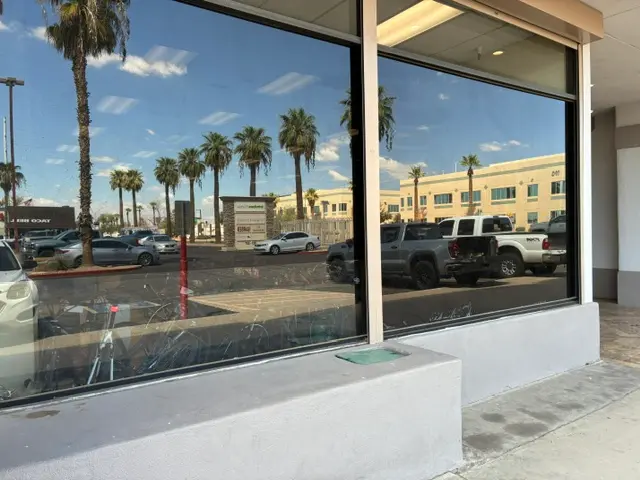
The answer was Solar Gard 9 mil silver security film, installed with a Dow Corning structural attachment system. Five installers, five days on site.

9 mil Solar Gard silver security window film on a commercial building in North Phoenix, Arizona

The Problem: Three Issues On One Piece Of Glass

Most window film projects start with one complaint. This one started with three, and they were not competing with each other. They were all coming through the same glazing.

Security. Glass is the softest part of any commercial building. Walls, doors and locks get specified carefully; the glass next to them is often left as the one element that gives way to a single hard impact.

Heat. A Phoenix building with significant glass area is absorbing solar load through every hour of daylight, and the cooling system carries that load all summer.

Glare. Bright, unfiltered daylight through large openings makes interior space harder to work in, regardless of what the thermostat says.

Why This Shows Up So Often In North Phoenix

The north Valley has built out fast, and much of what has gone up along the Deer Valley and Norterra corridors is modern commercial construction: large glazed elevations, open sightlines, and a lot of glass per square foot of building.

That design is good for daylight and bad for everything else Arizona brings. The sun is relentless most of the year, the heat load is real, and a large glass elevation is simultaneously the building’s biggest solar gain and its most vulnerable surface. Addressing those separately means three different products and three different trades. Addressing them at the glass means one.

The AZ Max Tint Solution: Solar Gard 9 Mil Silver Security Film

Tom specified a 9 mil Solar Gard silver security film, and the customer went with the recommendation.

The thickness is the security part. Standard solar control film is a fraction of a millimetre thick and is not built to hold glass together. A 9 mil film is a substantially thicker polyester layer bonded across the interior face of the pane, and its job is fragment retention: when the glass breaks, the pieces stay bonded to the film instead of falling out of the opening. It does not make glass unbreakable, and nobody honest will tell you it does. What it changes is what happens after the break.

The silver construction is the solar part. It reflects a meaningful share of incoming solar energy at the glass surface rather than letting it into the building, which is what makes it work on heat and glare at the same time as it works on security. That is the reason this single product answered all three complaints.

We go through the same thinking on a different building type in our article on security window film for high-risk Phoenix storefronts.

The Attachment System: Why Film Alone Is Only Half The Job

This is the part of the project most people have never heard of, and it is the part that matters most.

Security film bonded only to the face of the glass does exactly what it is designed to do — it holds the fragments together. But it holds them together as a sheet, and that whole filmed sheet can still be pushed out of the frame in one piece. The film did its job. The opening is still open.

A structural attachment system closes that gap. The Dow Corning system bonds the filmed glass to the window frame itself with a structural silicone, so the glazing is anchored into the opening rather than simply sitting in it. Film plus attachment is a system. Film on its own is a component.

If you are comparing security film quotes for a commercial building and one includes an attachment system and one does not, you are not comparing the same thing. Our security window tint and safety window tint pages cover where each approach fits.

The Installation: Five Days, Five Installers

This was a five-day job with five installers on site, and it ran in two distinct phases. The film went on first, across the glazing. The attachment system went on second, once the film was in place.

That sequence is not optional. The attachment bonds to the filmed glass and to the frame, so the film has to be installed, set and correct before any of it is anchored. Work of this scale is as much about sequencing and coordination across a crew as it is about the film itself, which is why a job like this takes a team rather than one or two installers working through it.

What The System Delivers

  • Fragment retention on every treated pane, with the glass anchored to the frame rather than free to be pushed through
  • Solar reflection at the glass, reducing the heat load the building has to remove
  • Glare control across large glazed elevations
  • Energy savings from a lower cooling demand through the Arizona cooling season
  • Better interior comfort for the people using the space every day

The Finished Result

One specification, three problems addressed. The glass is harder to get through, the solar load coming into the building is lower, and the interior is more comfortable to be in. For a commercial property in Phoenix carrying security concerns alongside a serious cooling bill, that combination is difficult to beat on any other line item in the building.

If you manage a commercial property in North Phoenix, Deer Valley, Anthem, Scottsdale or anywhere in the Valley and you are weighing security glazing against replacement glass, film with a structural attachment system is worth pricing first. Start with our commercial window tinting page or call and we will walk the building with you.

Get A Window Tinting Estimate From AZ Max Tint

If heat, glare, UV exposure, privacy, security or excessive sunlight is making your Phoenix-area home or commercial property less comfortable, AZ Max Tint can help you find the right window film for your space.

Call AZ Max Tint: (480) 913-5889
Contact AZ Max Tint: https://azmaxtint.com/contact

For directions to AZ Max Tint, just click here.

Visit Us From North Phoenix

Driving directions from North Phoenix and the 85085 area to AZ Max Tint at 3734 E Kristal Way, Phoenix, AZ 85050.
Categories
Commercial Window Tint Projects Storefront Window Tint

Glare Reduction Window Film In Goodyear: Solving Tremendous Glare At Pawn1st

PROJECT POST

Glare Reduction Window Film In Goodyear: Solving Tremendous Glare At Pawn1st

September 14, 2026

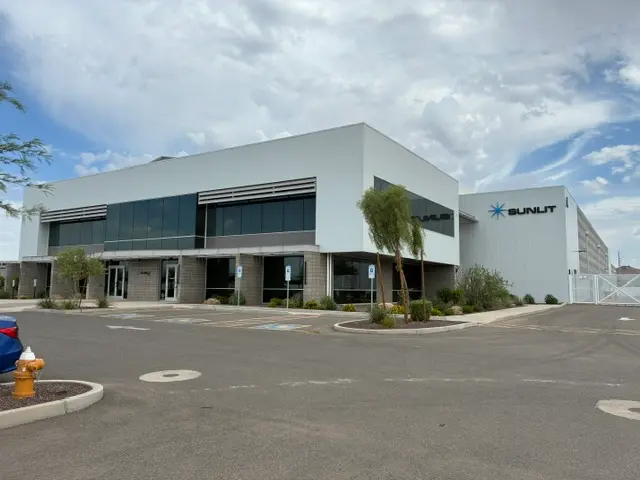
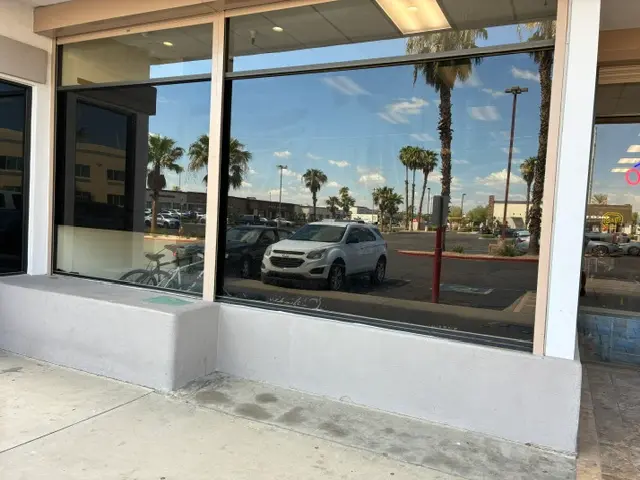
Pawn1st, the pawn shop at 203 N Litchfield Road in Goodyear, came to us through our website with a glare problem, and it was not a subtle one. The glass is large, it faces north, and the light coming through it was tremendous. The request that came with it was just as specific as the complaint: cut the glare, and do it with zero reflection.

The answer was a Limo 5% film across the glass, specified for this building and this exposure in particular.

Glare reduction window film on the large north-facing glass at Pawn1st in Goodyear, Arizona

The Problem: Tremendous Glare, And No Mirror Look

Glare is a separate problem from heat, and it gets treated as if it were the same thing far too often. Heat you feel. Glare you fight. It washes out screens, bleaches merchandise displays, forces people to angle away from the window, and makes a bright room genuinely hard to work in.

North-facing glass is an interesting case. It never takes direct sun the way an east or west wall does, so it rarely gets flagged as a heat problem. What it does deliver is steady, bright, diffuse daylight across the entire working day. There is no morning peak and no afternoon relief. The glare is simply there, all day, every day, and on a large north elevation there is a lot of glass delivering it.

Why Glare Matters For Retail In Goodyear And The West Valley

The West Valley gets an enormous amount of daylight. Goodyear, Litchfield Park, Avondale, Buckeye and the surrounding communities sit under open sky with very little in the way of tall buildings or mature tree canopy to break it up. A large glass elevation in that environment is collecting light from horizon to horizon.

On a retail floor like a pawn shop, where most of the merchandise sits under glass, that shows up in the details that cost you: display cases you cannot see into cleanly, customers squinting, jewelry and electronics that do not present the way they should, and staff working with their backs turned to the window. It is the same set of issues we go through in our article on storefront and office window film in Arizona. Glare is a comfort problem and a presentation problem at the same time.

The AZ Max Tint Solution: Limo 5% On North-Facing Glass

The obvious tool for a severe glare problem is a reflective film. It works, and it works well. It also puts a mirrored surface on your storefront, and this customer had ruled that out from the start. Zero reflection was a requirement, not a preference. If a mirrored look is what you are after, that is a different product and we cover it on our mirror window tint page.

So Tom specified Limo 5% instead. A 5% film is about as dark as window film gets, and it deals with glare on sheer light reduction rather than by bouncing light back off the glass. No mirror, no reflection, just far less light coming through.

The important part of that recommendation is the qualifier attached to it. Limo 5% was the right call here because the glass faces north. On any other exposure on this building, Tom would not have recommended it. That is an exposure-specific decision, not a default, and it is the kind of call that separates a film that performs from a film that causes problems later. If you want the reasoning behind it, ask for Tom when you call. It is a short conversation and a useful one.

Pawn1st went with the recommendation.

Commercial glare control window tint at Pawn1st, 203 N Litchfield Rd, Goodyear, AZ 85395

The Installation

Damon and Tom handled this one together, and the glass is the reason it took two installers. These are very large panes. Film on a pane that size has to be handled as a single piece, kept clean and square while it is moved into position, and set without creasing or trapping anything underneath. Two sets of hands is not a luxury on glass at this scale, it is the only way to get a clean result.

What The Film Does For The Space

  • Cuts the glare coming through a large north-facing glass elevation
  • Does it without a mirrored or reflective exterior, exactly as the customer asked
  • Makes the space workable through the full daylight day, not just part of it
  • Gives the storefront a consistent, finished appearance across every pane

The Finished Result

The glare is handled. The glass reads dark and even rather than mirrored, which is what Pawn1st asked for, and the sales floor is usable through the whole of the working day instead of only part of it.

If you have a commercial space anywhere in the West Valley or the wider Phoenix metro where glare is the actual complaint, it is worth having the exposure looked at before anyone quotes you a film. Our full range of window film options covers glare, heat, UV and privacy, and our commercial window tinting page runs through what that looks like for a business.

Get A Window Tinting Estimate From AZ Max Tint

If heat, glare, UV exposure, privacy or excessive sunlight is making your Phoenix-area home or commercial property less comfortable, AZ Max Tint can help you find the right window film for your space.

Call AZ Max Tint: (480) 913-5889
Contact AZ Max Tint: https://azmaxtint.com/contact

For directions to AZ Max Tint, just click here.

Visit Us From Goodyear

Driving directions from Litchfield Road in Goodyear to AZ Max Tint at 3734 E Kristal Way, Phoenix, AZ 85050.
Categories
Commercial Window Tint Projects Storefront Window Tint

Commercial Window Tinting In Scottsdale: Stopping Morning Heat At La La Land Cafe

PROJECT POST

Commercial Window Tinting In Scottsdale: Stopping Morning Heat At La La Land Cafe

September 14, 2026

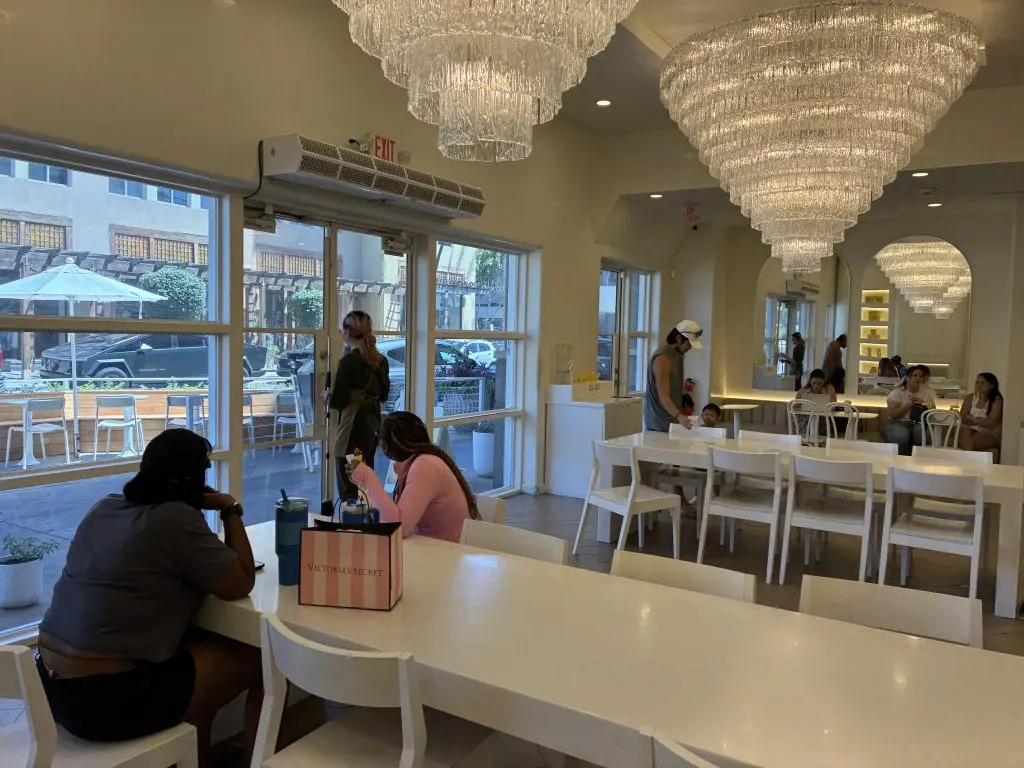
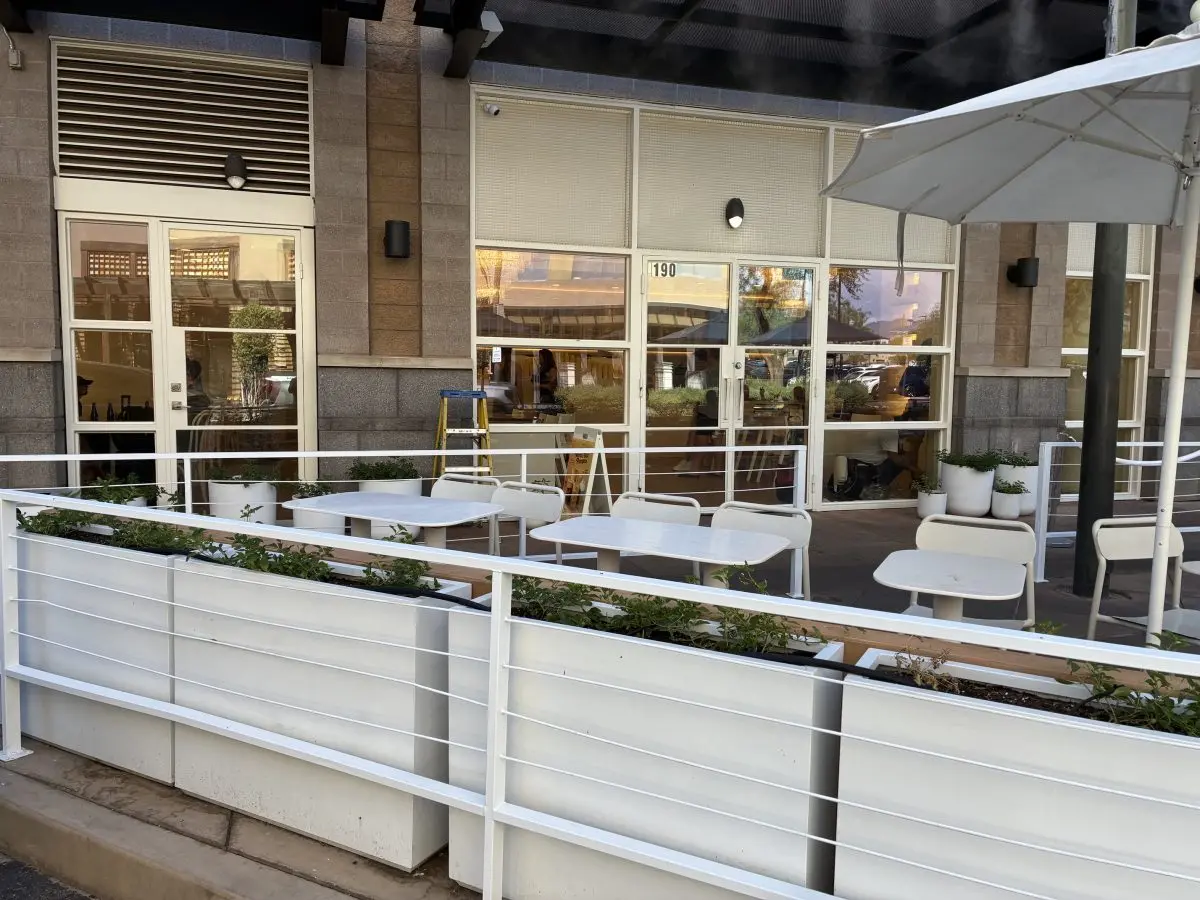
La La Land Cafe sits on North Kierland Boulevard in North Scottsdale, inside the 85254 ZIP code, and like a lot of cafe spaces built around glass, one wall does most of the work. The windows face east. From sunrise through late morning that glass takes the Arizona sun straight on, and the heat coming through it had become impossible to ignore. The owners found AZ Max Tint through a Google search and asked about commercial window tinting that could stop the heat without darkening the storefront.

The answer was Panorama Hi-Lite 70, installed across every eastern-exposure window in the cafe.

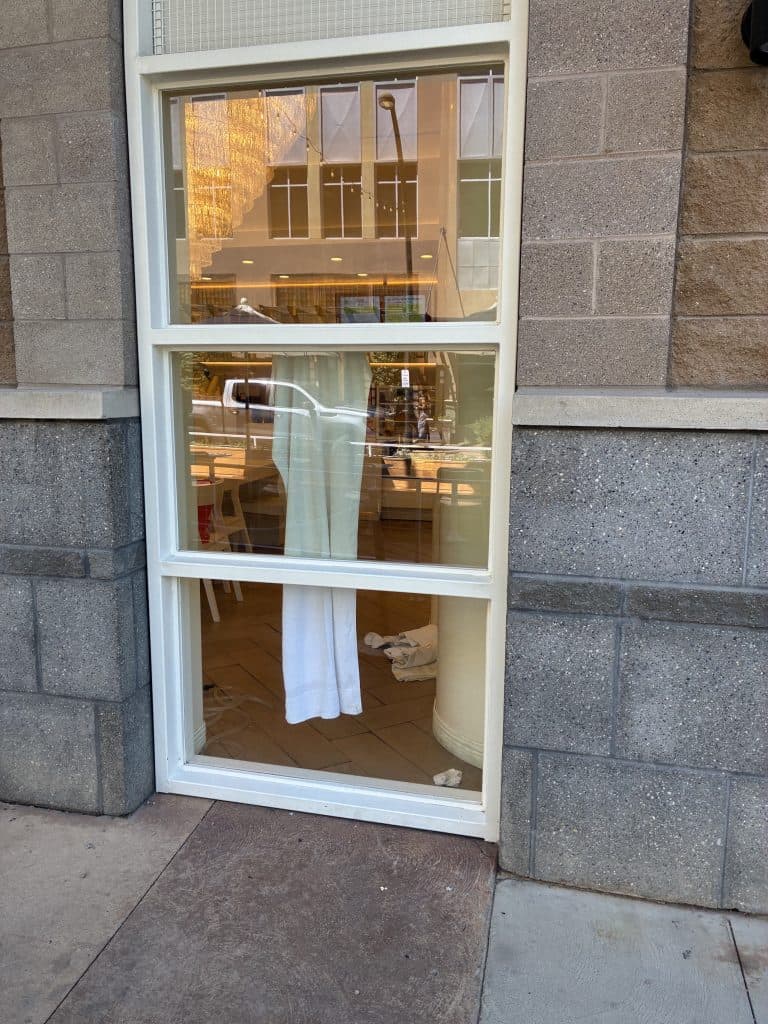
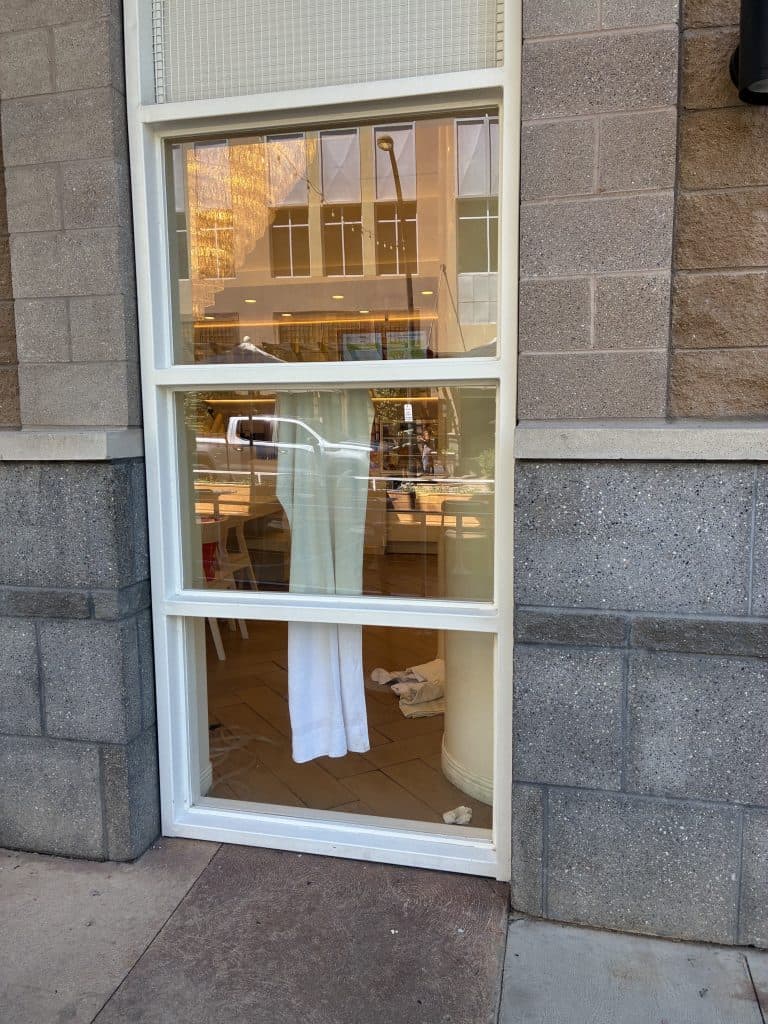
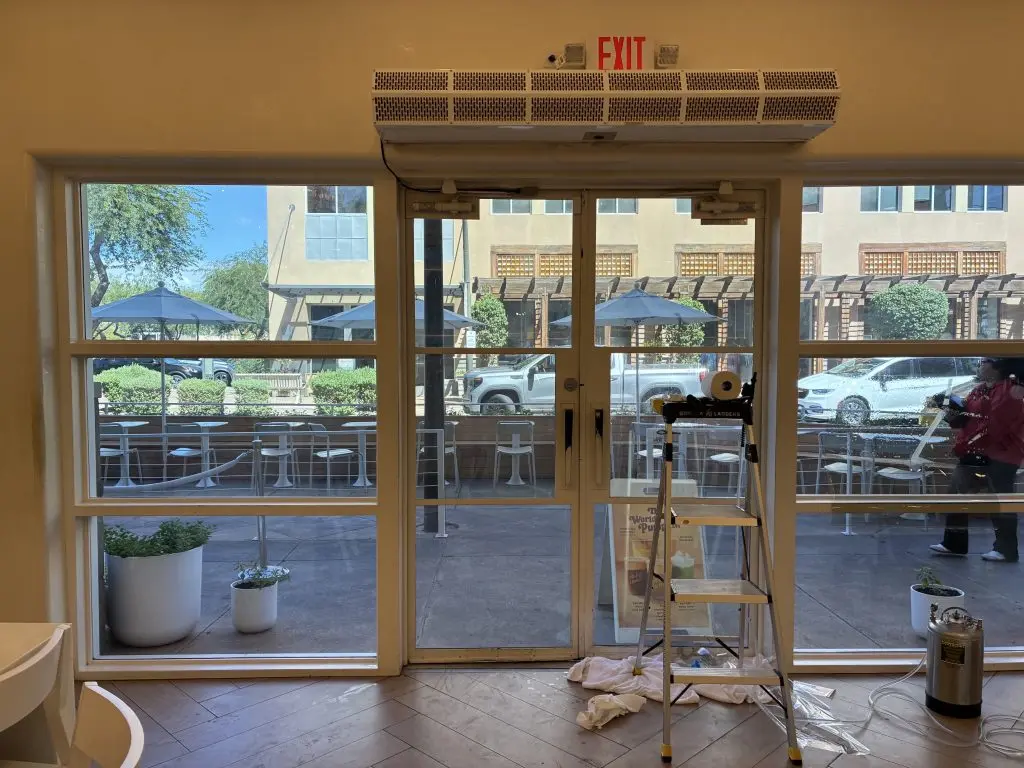
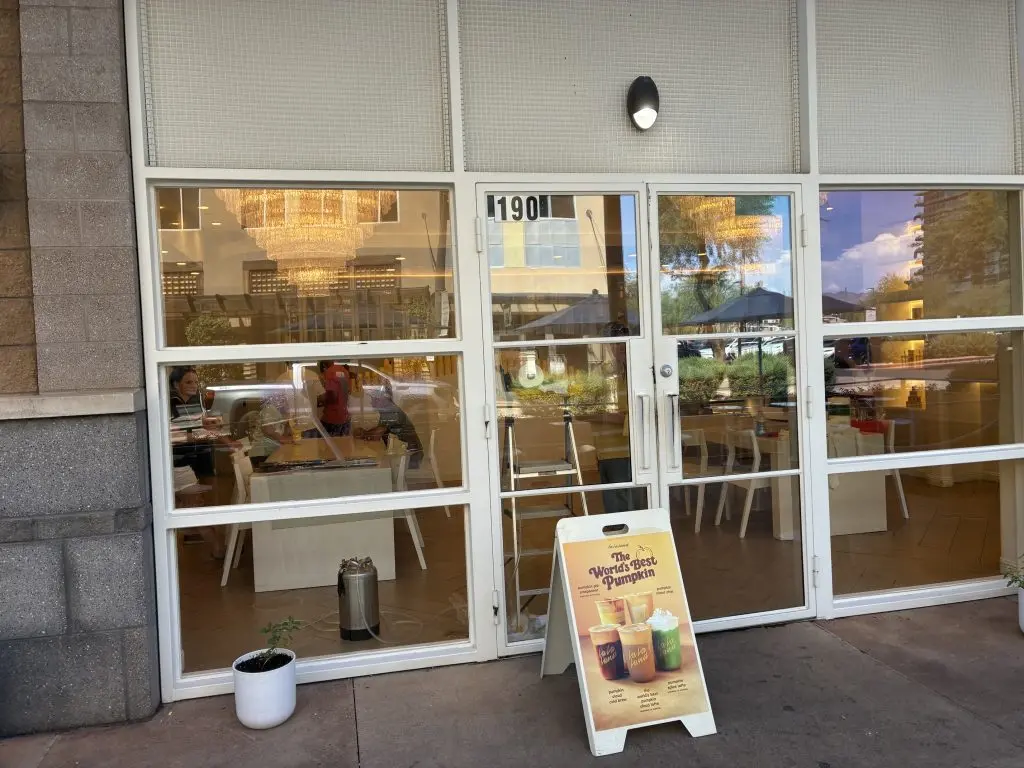
Commercial window tinting on the east-facing storefront glass at La La Land Cafe in Scottsdale, Arizona

The Problem: Heat Pouring Through East-Facing Glass

The brief from the owner was short. Stop the heat.

East-facing glass has a particular problem, and it is not the same one a west wall has. The sun hits it early and hits it low. Low-angle light comes in almost horizontally, sliding under the awnings, overhangs and shade structures that would block a higher midday sun completely. There is nothing between the glass and the sun but air.

By late morning the glass is warm, the air sitting against it is warm, and the tables closest to the windows become the least comfortable seats in the room. Air conditioning can fight it, but an air conditioner is always reacting to heat that is already inside the building. The only way to get ahead of it is to stop the heat at the glass.

Commercial window tint on east-facing cafe glass in North Scottsdale, Arizona

Why This Matters In Scottsdale And Across The Phoenix Metro

The Valley gets sun most days of the year and long stretches of genuine extreme heat. A commercial space in Scottsdale, Paradise Valley, Tempe or Phoenix with a large unshaded window wall is, in practical terms, a solar collector pointed at its own customers.

For a restaurant or cafe that heat lands in three places at once: on the guests sitting near the glass, on the staff working the front of house, and on the cooling system that has to remove it again. It is the same dynamic we cover in our article on how commercial window tinting can lower cooling costs for Arizona businesses. Glass is where the heat gets in, so glass is where it makes sense to deal with it.

The AZ Max Tint Solution: Panorama Hi-Lite 70

Two things had to be true for this project to work.

The first was obvious: reduce the solar heat coming through the eastern windows. The second mattered just as much. A cafe storefront is advertising. People walk past, look in, see a room they want to sit in, and come through the door. A dark film would have handled the heat and cost the cafe its visibility from the sidewalk and the parking area.

Panorama Hi-Lite 70 was proposed and selected because it does the solar work while keeping the glass light and the view into the cafe intact. That combination, heat reduction without losing visibility, is the reason this product was the right call for this building rather than a darker and more conventional heat film.

Heat control window film on cafe storefront windows in Scottsdale, AZ 85254

The Installation

Tom Vanderhoof and Damon handled the install, covering the full eastern exposure of the cafe.

Commercial storefront glass is unforgiving work. The panes are large, they are visible from every angle inside and out, and anything trapped under the film shows. Each pane on the east side was cleaned down to bare glass, the film cut to fit that opening, and the panel set and squeegeed out so the finished surface reads clean. Working in an operating cafe also means leaving the space ready for service at the end of the day.

Storefront window film installation at La La Land Cafe near Kierland in Scottsdale, Arizona

What The Film Does For The Cafe

  • Cuts solar heat on the exposure that was actually causing the problem
  • Keeps the view into the cafe clear from the sidewalk and the parking area
  • Makes the seating nearest the windows usable through the morning
  • Reduces the solar load the cooling system has to chase all day
  • Gives the eastern storefront a consistent, finished look

Those are the priorities on most storefront and office window film projects in Arizona, where comfort and heat control usually come first.

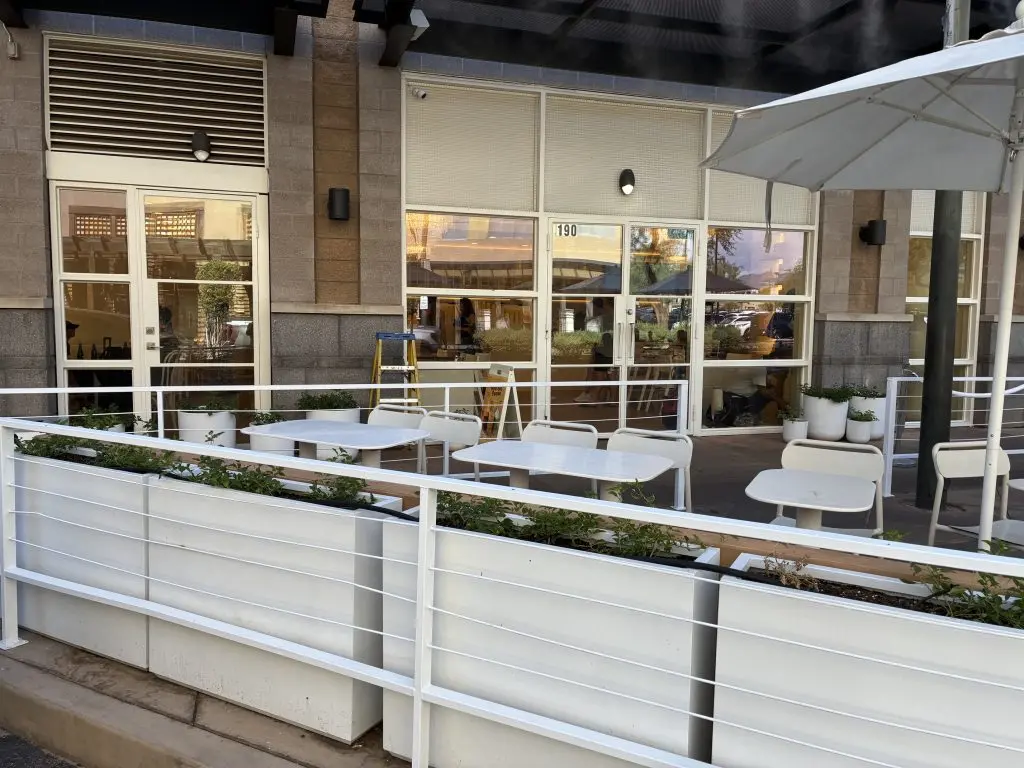
Panorama Hi-Lite 70 window film on La La Land Cafe in North Scottsdale, Arizona

The Finished Result

The eastern windows at La La Land Cafe are filmed end to end, and the film is doing its work exactly where the heat was coming from. The storefront still reads as glass. From the walkway you can see into the room the same way you always could, which for a cafe is not a small detail.

If you run a restaurant, cafe, office or retail space anywhere in the Phoenix metro and one elevation is beating you up every morning or every afternoon, it is a solvable problem. Our full range of window film options covers heat, glare, UV and privacy for commercial and residential buildings alike.

Window film on La La Land Cafe storefront glass in Scottsdale, Arizona 85254

Get A Window Tinting Estimate From AZ Max Tint

If heat, glare, UV exposure, privacy or excessive sunlight is making your Phoenix-area home or commercial property less comfortable, AZ Max Tint can help you find the right window film for your space.

Call AZ Max Tint: (480) 913-5889
Contact AZ Max Tint: https://azmaxtint.com/contact

For directions to AZ Max Tint, just click here.

Visit Us From North Scottsdale

Driving directions from the Kierland area of North Scottsdale to AZ Max Tint at 3734 E Kristal Way, Phoenix, AZ 85050.
Get A Fast FREE Estimate

Enter Your Information Below

Get A Fast FREE Estimate

Enter Your Information Below